

























































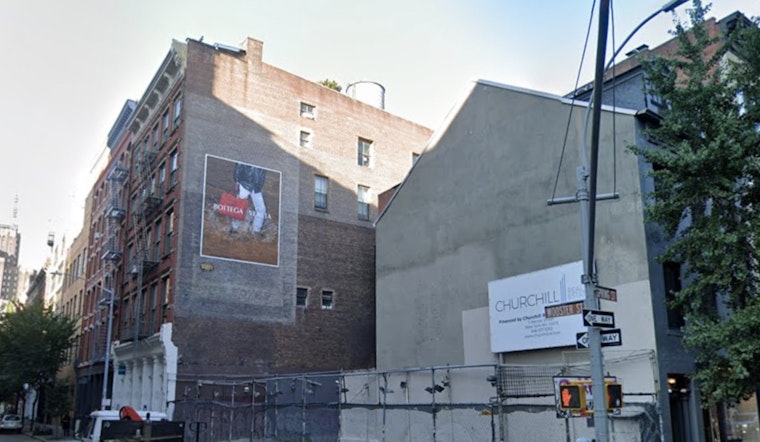
Even in SoHo, not every corner is printing money. A long-vacant parcel at 144 Spring Street quietly traded hands this month for $14 million, roughly a 44 percent drop from the $24.7 million it pulled in 2012. The 1,600-square-foot corner lot on the Spring–Wooster block, right across from Chanel, has sat empty for years and is now changing owners as the basic math of Manhattan development gets tougher. The deal is one of the sharper examples of how even blue-chip retail corners are being repriced as financing and construction costs squeeze returns.
Deal details
As reported by The Real Deal, developer Michael Alvandi’s City Urban Realty paid $14 million in an off-market purchase for 144 Spring Street. Brokerage materials around the sale indicate the small parcel can support up to four stories, a scale that still works for high-end retail or a single-brand showroom despite the tight footprint. The buyer has not yet laid out any public development plan.
The math: roughly a 44 percent haircut
Public sales records reviewed on PropertyShark show the lot last traded in July 2012 for $24.7 million. At the new $14 million price, that pencils out to an approximate 44 percent decline. Deal roundups from outlets such as Bisnow picked up the latest transaction and underscored just how far values have come down from the 2012 purchase.
SoHo market context
The sale lands in the middle of a patchwork market. Street-level rents in SoHo remain lofty, but underwriting and build costs have narrowed returns on small development parcels. Appraisal materials filed in recent SEC disclosures peg average SoHo retail asking rents in the low to mid three digits per square foot, while noting vacancy is modest. That backdrop helps explain why a buyer might still see long-term upside here even while pushing for a steep discount today. The disconnect between strong retail demand and harder development economics is leading buyers to pay less for tiny, complicated sites than they did in the frothier market of a decade ago.
What’s next for the site
City Urban has not shared plans for the corner and did not immediately respond to requests for comment. The firm has been active nearby, adding storefront and development plays in the neighborhood, according to The Real Deal. Permit records tracked by PropertyShark show filings tied to the parcel in the 2010s, so any new work will likely need fresh approvals from Landmarks and the Department of Buildings before construction can move forward.
We first spotted broader coverage of the transaction via Crain's New York and local real estate outlets that followed.





