

























































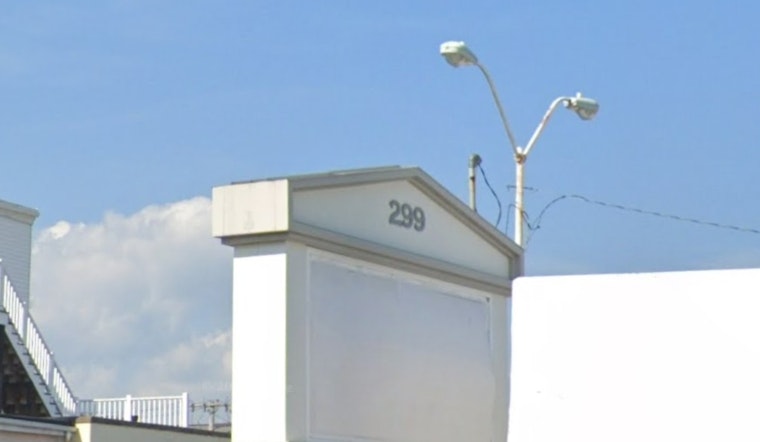
After nearly two decades as a boarded-up reminder of what used to be, the shuttered Star Market at 299 Broadway in Winter Hill is finally coming back to life. The old supermarket was torn down late last year, and crews are now doing site work for two six-story buildings that developers say will bring roughly 319 apartments, ground-floor retail and new public space. Neighbors and city leaders have been calling the project a long-overdue fix for a prime parcel that sat vacant for years after the grocery store closed.
According to The Boston Globe, the development team, Mark Development, Samuels & Associates, Beacon Communities and RISE Together, has demolished the Star Market building and is moving ahead with about 319 apartments spread across two six-story structures. One building, led by Beacon and RISE, is slated for roughly 115 affordable units aimed at low-income renters. The companion Mark and Samuels building will contain about 204 apartments with a 10 percent affordable set-aside, the Globe reports. Mark Development CEO Robert Korff told the Globe the project is "a neighborhood‑defining development."
Permits and project numbers
Somerville planning records show the site received a Chapter 40B comprehensive permit in February 2023, with staff signing off on insubstantial revisions in late 2024 that nudged the total from 316 to 319 units. A Zoning Board staff memo details a three-unit increase and several design adjustments, including relocating amenity space and reorganizing some ground-floor retail, which planners classified as insubstantial in their review. The public filings list Mark Development, Beacon Communities and RISE Together as the applicants and attach conditions intended to keep the new plaza and pocket park active for the neighborhood, according to City of Somerville planning records.
How the deal was financed
Developers say that pairing a large affordable building with a market-rate tower helped unlock financing sources, including low-income housing tax credits, state grants and local Affordable Housing Trust dollars, that made the overall plan pencil out, according to Banker & Tradesman and public filings. Mark Development paid roughly $22 million for the parcel in 2023 and has relied on a mix of private equity and public subsidies to cover rising construction costs. The development team also received a temporary tax abatement from the city to close remaining financing gaps, a step they said was necessary to get the project to this point.
Neighbors cheer, concerns linger
Residents did not exactly mourn the old building. They turned out for a December "demolition party" as crews started tearing down the former supermarket, and Mayor-elect Jake Wilson called the structure "an eyesore" while welcoming the new housing, WBZ NewsRadio 1030 reported. Local civic advisory groups and nearby businesses have largely applauded the promise of new retail and a public plaza, yet they repeatedly raised questions about traffic, curbspace and parking during public meetings. Those worries surfaced throughout the permit process and neighborhood hearings, where speakers pushed for more family-sized units and stronger public-realm commitments, as covered in earlier Zoning Board sessions by Tufts Daily.
Timeline and parking
City filings show the comprehensive permit was issued in February 2023, with design tweaks approved into late 2024. Demolition and early site work began over the winter, according to city documents and local coverage. The developers have proposed no on-site parking for the buildings and instead plan to rely on on-street permits for a portion of the market-rate units. That detail has become a recurring flashpoint at neighborhood forums and in public comments. Officials say construction will stretch over multiple years, and that specifics such as tenant selection for affordable units and a detailed construction schedule will be released as financing and permits are fully finalized, per project filings and press coverage.
What it could mean for Winter Hill
The Star Market closed more than a decade ago, leaving a long-vacant lot that residents say helped thin out already fragile neighborhood retail. The Winter Hill neighborhood plan traces that history and documents the push to reclaim the block for housing and commerce. Developers and city officials argue that a mix of affordable homes, new shops and a civic plaza will bring foot traffic and amenities back to Broadway, while advocates counter that the city should closely track whether the affordable units actually serve families and longtime neighbors. For now, demolition and site work have created a visible turning point on a stretch many Winter Hill residents have watched sit idle for years, and the next phases will test whether the project delivers on those promises, according to planning records and local reporting.





