

























































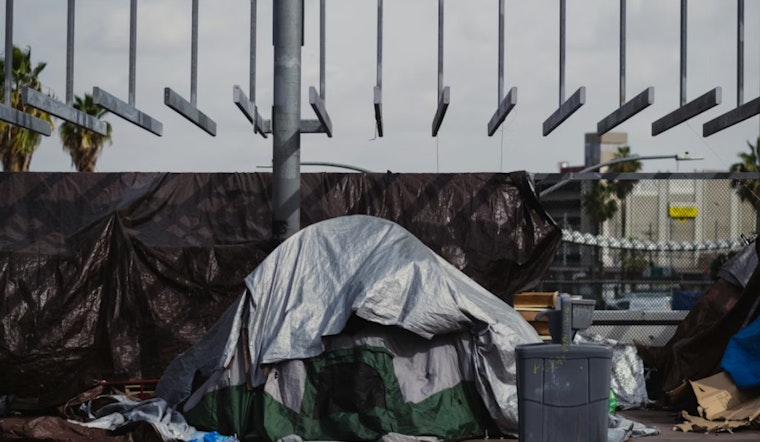
City and county leaders are set to converge in Torrance on March 20 for a pivotal Executive Committee for Regional Homeless Alignment meeting, where South Bay jurisdictions will walk through how they are spending Measure A dollars alongside their own local funds to confront homelessness. Expect a detailed rundown of outreach, prevention, mental health connections, and housing placements as cities lay out where the new tax revenue and city budgets are actually going.
South Bay COG Flags City Presentations
The South Bay Cities Council of Governments spotlighted the March 20 agenda in an X post, noting that members will present "how cities are addressing homelessness through Measure A funding and their own local investments," as posted by South Bay Cities Council of Governments. The SBCCOG, a joint powers authority representing 16 cities and unincorporated areas in the South Bay, has already begun using its Measure A Local Solutions Fund allocation for outreach and case-management partnerships, according to the South Bay Cities Council of Governments. Torrance will host the ECRHA session, which members say will highlight local strategies and the trade-offs cities face when stretching county dollars alongside their own general funds.
What ECRHA Does And Why It Matters
The Executive Committee for Regional Homeless Alignment, or ECRHA, was created by the Los Angeles County Board of Supervisors to craft a single regional plan, set performance metrics, and align funding across cities and the county, according to Los Angeles County Homeless Services & Housing. Under Measure A, the committee also serves as a convening body and an oversight group for how the new county tax revenue is distributed. In practice, that means the March 20 meeting doubles as a progress report and a coordination huddle as Measure A spending shifts from planning into on-the-ground implementation.
Measure A And The Local Solutions Fund
Measure A is a permanent half-cent county sales tax approved by voters in November 2024 that took effect on April 1, 2025, and is projected to bring in roughly $1 billion a year, with a portion of that revenue routed back to cities and councils of governments through the Local Solutions Fund, per reporting by CalMatters. The ordinance also requires a Responsive Regional Plan and measurable targets for reducing unsheltered homelessness and increasing housing placements, a framework the county and ECRHA used when they set early performance benchmarks. As Measure A moves into its first fiscal cycle, local officials are under pressure to show concrete results and to explain how their own investments are intended to amplify county resources.
How South Bay Cities Are Using Their Allocations
The SBCCOG reports that it has already directed Local Solutions Fund dollars to field-based outreach and housing-retention services. In November, the agency announced a partnership with HERO Community Services to provide case management across the subregion, according to the South Bay Cities Council of Governments. Cities are layering their own efforts on top of that regional work. Manhattan Beach, for instance, continues to fund a dedicated housing navigator and reports outreach metrics and housing placements in recent council materials, per a staff report from the City of Manhattan Beach. That same Manhattan Beach packet cites SBCCOG projections that the South Bay will generate roughly $80 million in Measure A sales tax revenue each year, while the region expects to receive significantly less back in direct Local Solutions Fund allocations.
What To Watch At The March 20 Meeting
On March 20, observers can look for updates on Local Solutions Fund spending, proposals for an SBCCOG housing trust, and progress toward the county's Responsive Regional Plan goals, including outreach activity, prevention investments, and housing placements. Agendas and materials for ECRHA meetings are posted by the county, and the Measure A Resource Hub is the primary spot for slide decks and recordings, according to Los Angeles County Homeless Services & Housing. With Measure A entering its first major budget cycle, the Torrance session is shaping up to be one of the clearest public windows into how South Bay priorities are being matched to county dollars.



