

























































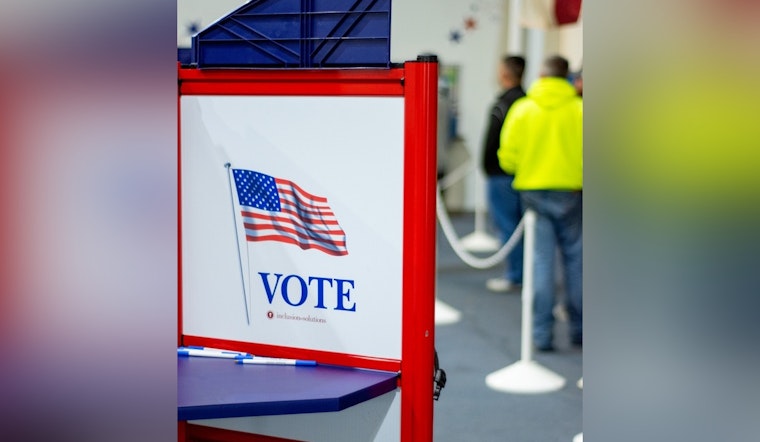
St. Charles County voters are staring down a high-stakes tax decision on April 7, when Proposition RT lands on the countywide ballot. The measure would set up a tax-credit program aimed at keeping eligible homeowners’ property tax bills from rising above what they owe in 2024. Backers say it extends the county’s senior-relief model to more households and could save homeowners millions. School districts, libraries, and social-service providers counter that it would choke off revenue growth for basic local services. The question is tied to state Senate Bill 3 and appears on the county’s municipal ballot this spring.
What the ballot asks
The county’s sample ballot describes Proposition RT as a move to “implement a tax credit program whereby the effective real property tax liability on an eligible taxpayer's homestead shall not be increased above the liability incurred during the initial credit year,” language that would effectively cap or freeze future tax liability for qualifying homes. According to the sample ballot from St. Charles County, the measure references RSMO § 137.1120 and appears on the General Municipal Election ballot for Tuesday, April 7, 2026. The wording does not change current levy rates; it changes how future increases are calculated or credited back to homeowners.
County estimate and supporters' pitch
County Collector Michelle McBride estimates that about 73,000 additional homeowners would be eligible for the credit, on top of roughly 26,000 seniors already enrolled in the existing county program. She told the county that the senior relief plan “saved seniors over $5 million for tax year 2025,” and added that Prop RT “might save the pre-seniors another $15 million annually going forward.” Those figures appear in the county's voter materials, according to the St. Charles County Connection. Supporters argue the cap would give homeowners predictable bills as assessments and market values climb.
Who says it would be costly
Agencies that depend on property taxes say the flip side of predictable bills for homeowners is unpredictable strain for budgets. The Developmental Disabilities Resource Board’s fact sheet warns that Prop RT “would reduce funding for services supported by property taxes” and projects about a $4 million reduction to DDRB programs over the next five years. Nonprofits such as Community Living, Inc. say resulting cuts could threaten job training, day programs and other essential supports. Opponents argue that revenue for locally run programs is not easily replaced and that governments could be pushed toward service reductions or tax shifts elsewhere.
School leaders and the legal tangle
School boards and superintendents across Missouri have raised similar concerns, and the Missouri School Boards’ Association has prepared guidance for districts trying to estimate the fiscal hit. The Rockwood School District notes that MSBA has circulated an SB3 toolkit and that a Cole County judge recently allowed most related April ballot questions to go forward even as a broader constitutional challenge to SB3 continues. That combination of local votes and ongoing litigation has left districts uncertain about what next year’s revenue picture will actually look like.
How voters should weigh the tradeoffs
For homeowners, Proposition RT holds out the promise of more stable property tax bills. For local governments and service agencies, it could effectively lock in less revenue growth as assessments rise. Community groups, school leaders and county officials all urge residents to read the sample ballot and local impact estimates from agencies such as the DDRB before casting a vote, and to keep in mind that the courts may still shape how any approved changes ultimately work. KSDK first reported on the local reaction to the measure.





