

























































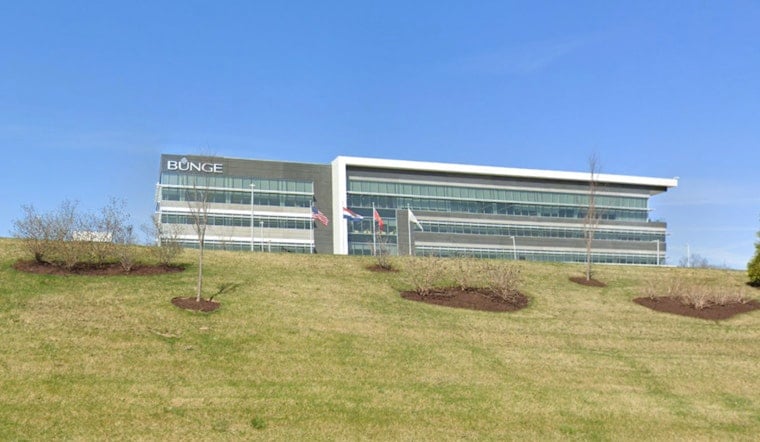
Bunge Global, the St. Louis-area agribusiness heavyweight, saw first-quarter profit sliced by roughly two-thirds even as revenue jumped, a whiplash combo the company pinned on integration costs and timing effects in its GAAP results. Net income attributable to Bunge dropped to $68 million, down about 66% from a year earlier, while sales climbed to roughly $21.9 billion. Despite the ugly headline profit number, the company still raised its full-year adjusted earnings guidance.
In a press release, Bunge reported net income attributable to the company of $68 million for the quarter ended March 31, compared with $201 million a year earlier, and GAAP diluted earnings per share of $0.35 versus $1.48. The release showed adjusted diluted EPS of $1.83 and net sales of $21.861 billion, and said management has increased its full-year adjusted EPS outlook to $9.00 6$9.50. Those adjusted metrics exclude mark-to-market timing differences and certain integration charges tied to acquisitions.
Local reporting noted that costs tied to Bunge's takeover of grains trader Viterra, which closed last year, have added to corporate expenses and pressured GAAP profitability even as underlying processing margins improved. The St. Louis Business Journal and the company's earnings documents show that "Corporate and Other" costs rose as the company absorbed acquisition and integration expenses. Analysts say the growing gap between GAAP and adjusted results underlines the one-time nature of many charges, while also keeping investors laser-focused on cash flow and promised synergies.
Local footprint and investments
Bunge's national results are already rippling through its local footprint. The company has been expanding processing capacity and investing in regional plants that could benefit from higher oilseed margins. Hoodline previously reported on Bunge's big investment on the Gulf Coast, including a $225 million Avondale expansion that is part of roughly $1 billion in regional projects tied to Bunge's broader growth plans; Bunge's $225M Avondale bet detailed how those projects line up with demand for renewable-fuel feedstock. For St. Louis-area workers and suppliers, the company says its enlarged platform should create opportunities as those plants come online.
Outlook and investor takeaway
Management emphasized that the firm's larger platform, built in part through the Viterra deal, allowed it to capture higher processing and merchandising results, while mark-to-market timing effects and integration costs pulled GAAP profit down. "The Bunge team delivered a strong first quarter," CEO Greg Heckman said in the company's release, which also showed adjusted funds from operations of $530 million for the quarter and higher adjusted EBIT. With guidance now pegged at $9.00 6$9.50 in adjusted EPS, investors will be watching whether the company can turn its expanded scale into consistent free cash flow and actual synergy delivery; full tables and reconciliations are available in Bunge.
What happens next matters for both shareholders and local employers. Bunge still has to prove it can convert bigger volumes into reliable profits while bringing Viterra units fully into the fold. Expect the company's conference call and forthcoming SEC filings to get close scrutiny as investors look for more detail on integration costs, cash flow timing and how quickly those touted synergies actually show up.



