

























































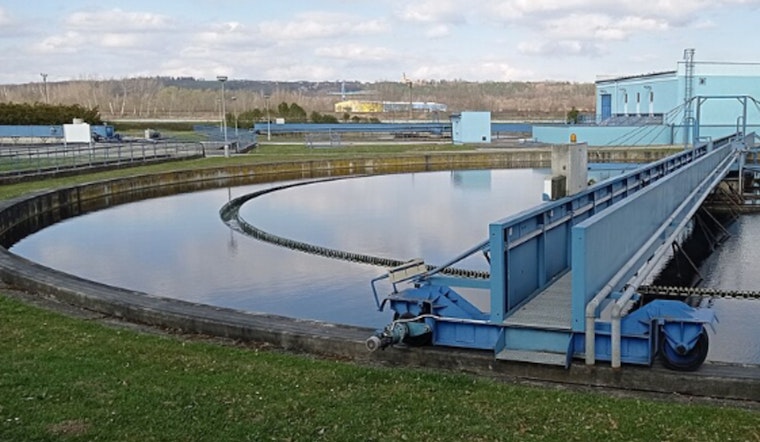
A mobile treatment unit that developers say can snap the stubborn carbon–fluorine bonds in so‑called “forever chemicals” is set to roll into St. Cloud’s wastewater recovery plant this April. The city will host a full-scale pilot that runs biosolids and spent filter media through a Supercritical Water Oxidation (SCWO) system to see whether PFAS compounds are actually mineralized instead of simply shifted from one waste stream to another. City leaders say St. Cloud is not dealing with an active PFAS contamination crisis and is stepping up mainly to help test potential tools for utilities across Minnesota.
What’s coming to St. Cloud
As reported by KNSI, the mobile AirSCWO unit, built by Morrisville, N.C.-based 374Water, is slated to be staged at the St. Cloud Nutrient, Energy and Water Recovery Facility in April. St. Cloud Public Services Director Luke Langner told KNSI, “This essentially is put under pressure and high heat and will break down the bonds which create PFAS and essentially destruct them.” The pilot will run three different waste streams through the system: undigested biosolids, post-thermal-hydrolysis digested biosolids, and spent granular activated carbon.
Funding, partners, and project scope
According to the Environment and Natural Resources Trust Fund’s approved work plan, Barr Engineering is leading a $1.48 million full-scale demonstration that designates St. Cloud’s NEW RF as the test site and identifies 374Water, the University of St. Thomas, and MnTAP as key partners. The work plan outlines milestones for buying and installing the equipment, commissioning the pilot, running operational tests, and securing external laboratory validation. It also calls for an open-access final report and a peer-reviewed manuscript so that utilities and regulators can review the results. City staff will handle site logistics, while trained interns or students assist with routine sampling and certified laboratories conduct targeted PFAS analyses.
How SCWO works and what the company says
Supercritical Water Oxidation heats water and waste above the critical point so that organic contaminants, including PFAS, oxidize into carbon dioxide, water and inorganic fluoride under high pressure. According to 374Water, its AirSCWO systems have achieved destruction results above 99.95% in previous demonstrations, and peer-reviewed field research has reported near-complete PFAS destruction using SCWO under specific conditions. In St. Cloud, project partners will track energy use, condensate quality and remaining solids to gauge whether the approach can be both practical and sustainable at the scale utilities actually need.
Why Minnesota is testing this now
Minnesota has been pushing PFAS monitoring, reporting and pollution-prevention work as state agencies and utilities confront widespread detections in water, fish and soils. The Minnesota Pollution Control Agency details statewide PFAS activity and highlights the need for management options for contaminated residuals. The St. Cloud demonstration is intended to give utilities better information as they weigh PFAS destruction technologies against long-term storage or disposal. If SCWO turns out to be both effective and energy-balanced in real-world operation, it could provide one way to interrupt the PFAS cycle that keeps sending these compounds back into the environment.
What to watch next
The city says the mobile unit is scheduled to arrive in April, after which project partners will begin collecting operational and laboratory data to decide whether the technology can scale to larger public or private facilities. Under the approved work plan, pilot operation and testing will generate data and outreach materials through mid-2026, followed by a final report and a peer-reviewed paper that are expected to be publicly available. St. Cloud officials also plan stakeholder tours and technical outreach, giving other Minnesota utilities a chance to see the system running while the results are being finalized.



