

























































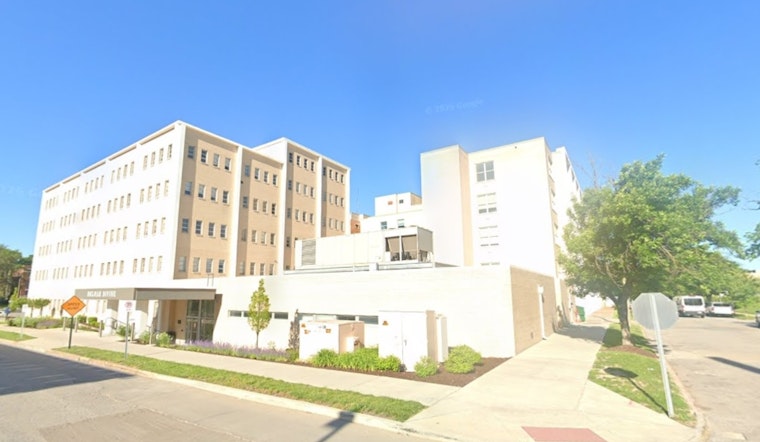
At St. Louis' Bullet Related Injury Clinic, or BRIC, the exam rooms are still busy and the services are still free. Behind the scenes, though, the money that helped build the city’s violence-intervention network is drying up fast, and staff say they are scrambling to keep the doors open on the same level of care.
The clinic provides free wound care, therapy and holistic support to people recovering from gun violence, and leaders insist those services will continue even as pandemic-era grants expire. They say the end of that funding stream is already forcing staffing changes and program reshuffles, while organizers race to plug the gap with donations and short-term fundraisers. The squeeze follows federal grant cuts last year and increasingly loud talk inside City Hall about shifting leftover American Rescue Plan Act money to other priorities. Neighbors warn that any lapse in services could fall hardest on shooting survivors who rely on the BRIC’s hands-on follow-up care.
Power4STL, the nonprofit that runs the BRIC and The T, leans heavily on ARPA allocations and city contracts, and leadership says those short-term lifelines are about to stop. As reported by First Alert 4, Power4STL received one ARPA allocation of about $1.18 million for community violence intervention. Executive Director Jamila Owens-Todd warned that “those funding sources will end this summer” and said the organization is already retooling staffing and near-term plans to brace for the drop-off. Clinic patient turned peer advocate Keisha Blanchard described returning to the BRIC for bullet removal and follow-up visits, a reminder of how immediate and practical the clinic’s services are for people trying to heal.
Funding Cliff And ARPA Deadline
The City of St. Louis received roughly $498 million in American Rescue Plan funds, and the administration has said those dollars must be spent by the end of 2026. That timetable is tightening the screws on which projects get extended and which ones do not, according to the City of St. Louis. City committee discussions in February flagged proposals to repurpose several million dollars that had been earmarked for housing and violence prevention so the city could instead tackle a deteriorating water system, as reported by KRPS. Nonprofits say that combo of redirected ARPA money and expiring contracts makes it tough to draw up a three-year strategy when the next six months already feel shaky.
What The BRIC Provides And How Losses Landed
Day to day, the BRIC offers wound care, pain management, mental health support, acupuncture and transportation for survivors, services the city outlines on its program page and that the clinic promotes as free on its own site. The clinic and its mobile teams have been held up locally as a community-based violence intervention model that tries to fill gaps left by traditional medical and criminal justice systems.
Local reporting documented that federal violence-prevention awards to Power4STL were curtailed in 2025, costing the group a significant share of the federal support it had expected to receive. Staff and leaders say they have kept most program offerings in place for patients, even as they quietly reshuffle personnel and redo budgets behind the curtain.
Where Organizers Are Looking For Money
To keep the work afloat, organizers say they are doubling down on grassroots appeals, private foundations and government procurement opportunities while lining up quick-hit fundraisers. Those efforts include an online webathon set for next Thursday, April 2 at 6 p.m., which the BRIC helped promote, according to First Alert 4.
Federal records also show a Bureau of Justice Assistance award to Power4STL of roughly $2 million listed among Office of Justice Programs grant terminations, a hit that local outlets reported translated into about $1.3 million in unrealized support for the group. Owens-Todd told First Alert that the organization is “exploring a myriad of options,” including everything from family foundations to procurement, to avoid cutting services. Leaders are also urging residents to consider one-time donations or recurring support through the BRIC’s website.
How the next stretch plays out will reveal whether the city, funders and community partners can stitch together a more stable, long-term funding picture for violence-intervention work or whether clinics like the BRIC are left living year to year on financial fumes.




