

























































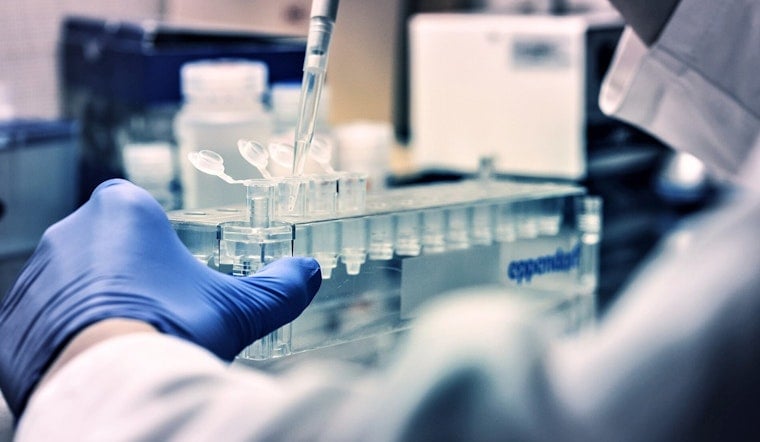
St. Louis County is quietly running a different kind of crime lab, one that is not about building cases but about keeping people alive. The county has launched a lab‑based harm reduction program that anonymously analyzes street drugs collected from community groups, hoping to blunt a relentless overdose crisis by showing what is really in the local supply.
The effort, called Project Eagle Fang, routes drug samples through the county medical examiner’s lab and then publishes monthly findings online. The goal is simple but ambitious: give clinicians, outreach workers and families a clearer view of the risks people face when they use drugs that may not be what they seem.
How Project Eagle Fang Works
Project Eagle Fang takes in pills, powders and used paraphernalia from organizations that work with people who use drugs and tests them in the St. Louis County Medical Examiner’s laboratory, as reported by WALB. Program lead Sarah Riley said the results frequently upend what people thought they had.
"Very frequently there is a mismatch between what the individual who donated the drug thought the drug was and what is actually the drug," Riley told reporters. The project posts those findings each month on a public dashboard so physicians, service providers and anyone else who is curious can track what is circulating in the region.
What Tests Are Finding
Local testing has repeatedly shown that samples are often cut with multiple chemicals and adulterants, including fentanyl, tranquilizers and other synthetic opioids. That cocktail effect can make overdoses both more likely and harder to reverse.
National researchers say this kind of contamination is part of a broader pattern that community drug‑checking programs are designed to catch, according to the Johns Hopkins Bloomberg School of Public Health. Experts there note that checking tools range from single‑substance test strips to portable FTIR machines and full laboratory analysis, each trading speed for detail in different ways.
Policy and Legal Landscape
Once treated mainly as illegal paraphernalia, drug‑checking tools are slowly being reframed by policymakers as basic public‑health gear. A growing number of states now permit at least some forms of testing equipment, according to a recent policy brief.
The Pew Charitable Trusts recommends expanding access to test strips, portable machines and lab‑based analysis, and pairing those efforts with treatment options and naloxone distribution to cut overdose deaths. The brief urges lawmakers and local health departments to invest in these programs so data from testing can flow directly into public‑health surveillance systems.
Family Voices
For families who have already lost someone, the work happening in the lab is not abstract at all. Ellis and Patti Fitzwater, whose son Michael died of a heroin overdose in 2014, told WALB they were blindsided by his addiction.
The Fitzwaters say a public dashboard like the one tied to Project Eagle Fang could help spare other families that kind of shock. Local advocates point to their story as a reminder that simply knowing what is in the supply can change how people choose to use and how clinicians prepare to respond.
What Comes Next
Project Eagle Fang is still in its early stages, but the combination of public dashboards and targeted alerts has the potential to give outreach workers, clinicians and even EMS crews earlier warnings when particularly dangerous batches hit certain neighborhoods.
Public‑health experts say that scaling up similar programs, paired with easy access to naloxone, testing strips and treatment, can turn raw lab data into on‑the‑ground interventions that save lives, according to the Johns Hopkins Bloomberg School of Public Health. Community groups in St. Louis say they plan to keep sending in samples and watching the dashboard closely for the next shift in what is being sold on the streets.





