

























































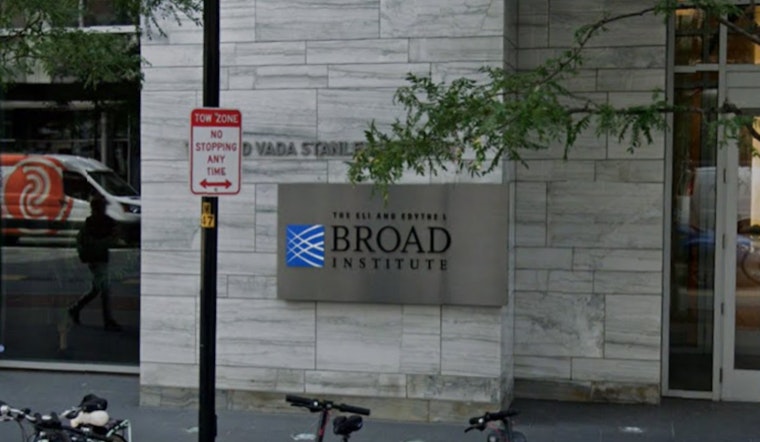
The Stanley Family Foundation is doubling down on psychiatric research in Cambridge, cutting a $280 million check to the Broad Institute that vaults the family’s total support for the lab past the $1 billion mark. The fresh funding is earmarked for the Stanley Center for Psychiatric Research and will fuel expanded genetic sequencing, biomarker work and early translational projects focused on bipolar disorder and schizophrenia. For Cambridge’s already crowded life-sciences cluster, the gift is another reminder of how one family’s focused philanthropy can tilt the research landscape and speed up long-term projects, as per the Broad Institute.
According to the Broad Institute, the $280 million commitment, announced March 12, will cover another seven years of work at the Stanley Center and support a network of more than 100 scientists charged with pushing discoveries from gene-finding into clinical impact. Broad officials describe the gift as the latest chapter in a decades-long partnership that has built out the center’s data troves, experimental platforms and drug-discovery pipelines. The institute says the goal is to speed the path from genetic discovery to clinical trials that could ultimately change how patients are treated.
A personal reason behind the giving
Family members trace the philanthropy back to lived experience. Jon Stanley has spoken publicly about being diagnosed with bipolar disorder at 19 and experiencing episodes of severe mania, a personal history the family cites when explaining its long-running focus on psychiatric science, as reported by The Associated Press. The AP also notes that Ted Stanley’s earlier gifts reached into the hundreds of millions of dollars and helped launch the Stanley Center in 2007. The family’s strategy has been intentionally concentrated: channel most of their giving into a single research institution in the belief that human genetics is the clearest route to better treatments.
What the funding will do
Leaders at Broad and the Stanley Center say the new money will expand genetic sequencing efforts, build larger and more diverse participant cohorts and accelerate translational projects aimed at drug discovery and biomarker development. "We've made major discoveries of genes that dramatically increase the risk of developing these illnesses," Stanley Center co-director Ben Neale said in the Broad statement, emphasizing the push to turn gene discoveries into testable biological hypotheses. The center plans to recruit people who carry specific genetic variants and study whether those mutations highlight targets that could be turned into new therapies.
Funding gap and urgency
Experts warn that as powerful as private philanthropy can be, it cannot substitute for steady public funding of mental-health research. Sylvie Raver of the Milken Institute told The Associated Press that schizophrenia alone costs the United States more than $300 billion a year, and pointed out that the federal government provided more than $2 billion annually for mental-health work between 2019 and 2024. Advocates say those numbers underscore why a long-term, focused private bet like the Stanleys’ is both rare and strategically important for carrying discoveries through to clinical trials.
What to watch next in Cambridge
On the ground in Cambridge, researchers and local watchers will be looking for news about ramped-up participant recruitment, new preclinical programs and industry partnerships that could push Broad’s genetic leads into first-in-human studies. Regional coverage has tracked how the Stanleys’ concentrated giving shaped the center’s expansion and its role inside Kendall Square’s research ecosystem, as noted by The Boston Globe. Over the next year, expect more detail on collaborations and trial-ready programs that will test whether this genetics-first approach can open up new treatment options for people living with severe psychiatric illness.




