

























































New state rules taking effect this summer could unravel a decades-old model of cooperative preschool tied to Washington’s community colleges, leaving low-income parents facing steep fee hikes and putting some early-childhood lab classrooms at risk of closing. Colleges that run parent-education classes and co-op preschools say the State Board of Community and Technical Colleges’ new funding rules would reclassify many of the courses that keep those programs affordable, and administrators, faculty and parents are scrambling for fixes before the changes hit.
The board has announced major rule changes that will, starting in July, limit state enrollment funding to students in programs that lead to degrees or other credentials. That shift could push parent-education courses into "continuing education" and off the state funding rolls. Colleges that do not already offer a certificate tied to an industry-defined workforce pathway may lose enrollment funding for parents who attend lab classes alongside their children. As reported by OPB, the change has put dozens of cooperative preschool sites in immediate jeopardy.
How co-op preschools work
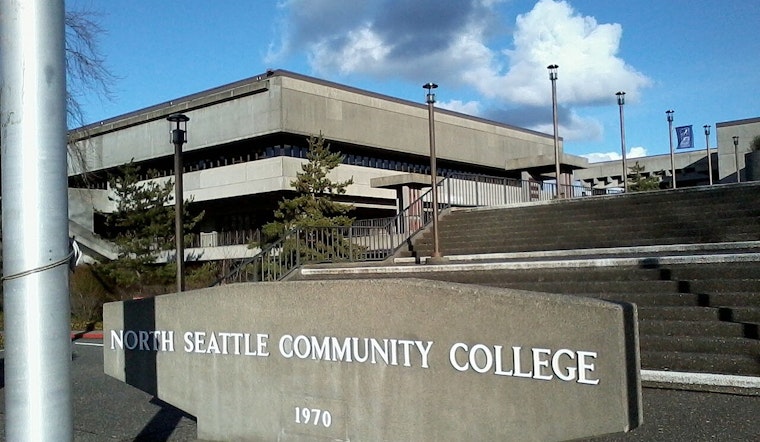
At their core, co-op preschools pair a classroom for young children with parent-education courses in which parents learn evidence-based parenting strategies, earn college credits and serve as part-time classroom assistants. North Seattle College’s parent-education program enrolls parents as students and helps run dozens of cooperative preschool classes across the city, providing both a training lab for early-childhood educators and relatively affordable care for families. For program details and locations, see parent education information at North Seattle College and local co-op listings at North Seattle Cooperative Preschools.
What’s at stake
The parent-education program traces back to the 1930s and, according to reporting, serves roughly 4,500 families statewide. It has stayed accessible in part because colleges could waive or subsidize tuition. Now, administrators warn that without state enrollment dollars they will likely have to end long-standing tuition waivers. North Seattle College President Rachel Solemsaas told reporters that low-income parents who now pay about $50 a quarter could see fees rise toward $400. Faculty are racing to compile data on parents’ career outcomes and to design certificate tracks that the board would recognize as workforce training. OPB reported the colleges’ fears and statements.
Colleges weigh their options
Colleges have a handful of short-term tools on the table: create quick certificate pathways, document employment outcomes for program graduates, pursue private grants, or reclassify classes as workforce training where possible. Some programs already offer certificates that could be adapted. For example, CareerBridge lists a parenting-education certificate tied to Shoreline Community College’s parent-education labs, and other community colleges are studying similar tracks. For a sense of how campus-based lab preschools and certificates are structured, see Shoreline Community College and Bellevue College.
What comes next
Campus leaders say they are meeting with the state board and with local funders, although any transition will be difficult to pull off in just a few months. If programs manage to convert to credential tracks, some families may keep subsidized seats, but many parents and small co-op sites worry that the community supports that make co-ops distinctive will be weakened or lost. Lawmakers and advocates are already being asked to consider transitional funding or policy adjustments to prevent sudden closures of programs that also funnel parents into early-childhood careers.
Legal and policy implications
The board’s shift is framed less as a cut than as a redefinition. It prioritizes state dollars for programs with measurable workforce outcomes, which forces traditionally community-oriented parent education into a workforce framework it was not originally designed to fit. That could mean colleges must produce employment placement or credential data, change tuition rules, or seek new revenue streams. The choices they make in response will shape who can afford parent education and where community-run preschools manage to survive.





