

























































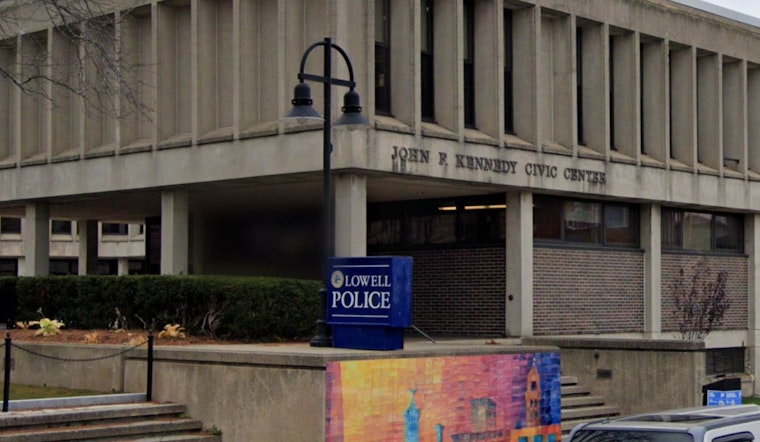
State public records overseers have started the clock again in a closely watched fight over whether Lowell police must release internal affairs files, body-worn camera footage and incident reports tied to a misconduct review. The department has held back the records while the matter sits under state review, frustrating residents and transparency advocates who say they are still in the dark about a case that ended with an officer’s quiet exit.
According to Boston 25 News, Supervisor of Records Manza Arthur has ordered the Lowell Police Department to turn over unredacted copies of the disputed materials to the Public Records Division for a private review and has set a fresh deadline for a decision. Boston 25 reported that the appeal was filed after requesters and reporters argued the department’s earlier response flunked state timelines and redaction standards, while Lowell officials have leaned on privacy exemptions to justify keeping more of the files sealed.
Records tied to a former officer
The fight centers on records from an internal investigation into former Lowell officer Dylan DaSilva. The Massachusetts Peace Officer Standards and Training Commission lists DaSilva’s certification status as suspended and notes that he "Resigned/Retired in Lieu of Discipline." The commission’s public summary shows at least one sustained allegation labeled "Other criminal conduct," though key details remain blacked out in what the public can see. Those POST entries are the clearest government confirmation so far of the disciplinary backdrop to the current records appeal.
For open-government advocates, the Lowell case has become a textbook example of why they argue the system is not working. "This isn’t just about police transparency," Justin Silverman of the New England First Amendment Coalition told Boston 25 News. "This is also about our weak, if not broken, public records law."
How the supervisor's review works
The Supervisor of Records, based in the Secretary of the Commonwealth’s Public Records Division, steps in when someone appeals a denial or disputes a records response. The office can require a city or agency to submit the contested records so the Supervisor can make an independent call on what should be released. The division also posts guidance and an appeal docket laying out the rules for both requesters and records access officers, including when an agency can ask to charge extra fees and how either side can go to court if they do not like the Supervisor’s ruling. For a nuts-and-bolts breakdown, the Secretary of the Commonwealth’s public records guidance and appeal pages spell out the process.
Massachusetts watchdog reporting has repeatedly flagged long delays, limited enforcement and broad exemptions that make it harder for the public to see government records. A recent review by The Boston Globe found systemic hurdles in the state’s open-records system that often leave journalists and residents pushing for basic answers. That bigger-picture backdrop is one reason the Lowell case is drawing attention far beyond city limits.
The Supervisor will now review the unredacted Lowell materials and issue a decision under the appeal timeline. If the records are ordered public, the department could still seek judicial review. We will keep tracking the Supervisor’s ruling and any response from Lowell officials and police as the new deadline approaches.





