

























































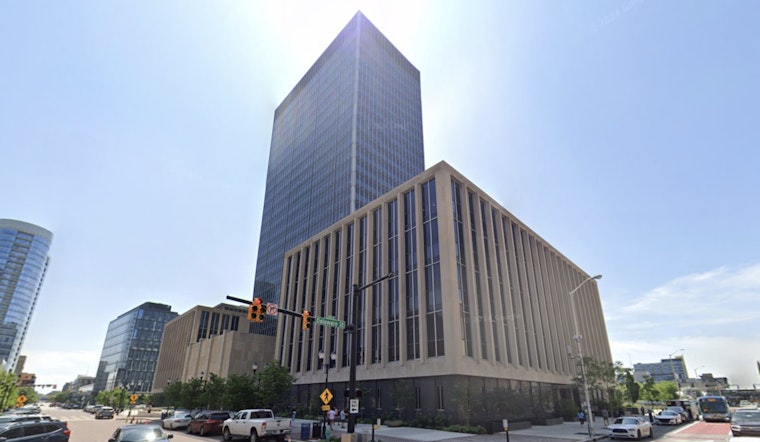
Indiana lawmakers have quietly kneecapped one of Indianapolis’ main climate tools, making it far tougher for the city to enforce its 2021 energy-benchmarking program, Thriving Buildings. The Indiana General Assembly tucked new language into House Enrolled Act 1150 that blocks counties and municipalities from adopting or enforcing any “utility usage data” ordinance, the kind of rule cities rely on to require or collect building-level utility information. City sustainability staff warn the shift could leave the Office of Sustainability without the basic numbers it needs to measure and manage emissions from the built environment.
The restriction was added to HB 1150 after an amendment from Rep. Jim Pressel. Supporters said the move would shield property owners and utility operations, while critics argued it takes a swing at local climate work, as reported by IndyStar. The change forbids local governments from ordering utilities to retain or provide aggregated energy-usage data that helps cities track building performance and spot waste. That effectively drops Indianapolis into the growing list of cities whose benchmarking programs depend on guaranteed data access just to function.
How the bill moved through the Statehouse
House Enrolled Act 1150, the bill that now houses the utility-data prohibition, cleared the General Assembly and was signed by the governor on Feb. 24, 2026, according to the public bill record on LegiScan. A Senate amendment from Sen. Andrea Hunley that would have stripped out the ban failed on a 9–40 roll call, also noted in the bill record. The final enrolled text explicitly bars counties and municipalities from adopting or enforcing any “utility usage data ordinance.”
What It Means For Thriving Buildings
Thriving Buildings, Indianapolis’ benchmarking and transparency program passed in 2021, was built to capture energy and water use from large buildings so the city could target emissions reductions. Regional energy analysts say buildings account for roughly two thirds of the city’s community greenhouse-gas emissions. Yet compliance has already been a slog. As of January, the city had obtained utility data for only about 13 percent of the roughly 2,200 covered buildings, according to reporting by the Indiana Lawyer. Without a legal lever to compel data sharing, city staff say they will have to lean harder on voluntary participation, incentives and good old-fashioned outreach.
Mo McReynolds, director of the Office of Sustainability, told IndyStar that “the office can’t manage what it doesn’t measure,” and has pointed to exemptions and data hurdles as ongoing barriers to broader compliance. Technical and trade groups reminded lawmakers that benchmarking programs live or die on reliable access to usage data, a concern echoed in a written letter from the American Society of Heating, Refrigerating and Air-Conditioning Engineers. National policy trackers show dozens of U.S. cities using benchmarking rules and data-access requirements to run similar efforts.
Legal implications
From a legal standpoint, the bill’s language blocks local governments from passing ordinances that require utilities to retain or release building-specific consumption data, a backbone requirement for many benchmarking policies, according to the enrolled bill record on LegiScan. Industry groups such as ASHRAE urged lawmakers to remove the provision, warning that the change would make it harder for building owners to comply with existing and future benchmarking or retrofit programs. Policy organizations that track benchmarking across the country, including the Institute for Market Transformation, note that many city programs depend on statutory or regulatory data-access tools to work at scale.
For now, Indianapolis plans to keep pushing outreach, technical-assistance “data jam” workshops and voluntary enrollment through Thriving Buildings while officials sort through next steps, which could include data-sharing agreements with utilities or another run at legislative fixes, according to city materials. Advocates warn the new restriction raises the stakes for local decarbonization efforts. With buildings making up the bulk of Indy’s emissions footprint, losing a key enforcement path could slow the city’s progress on its climate goals.





