

























































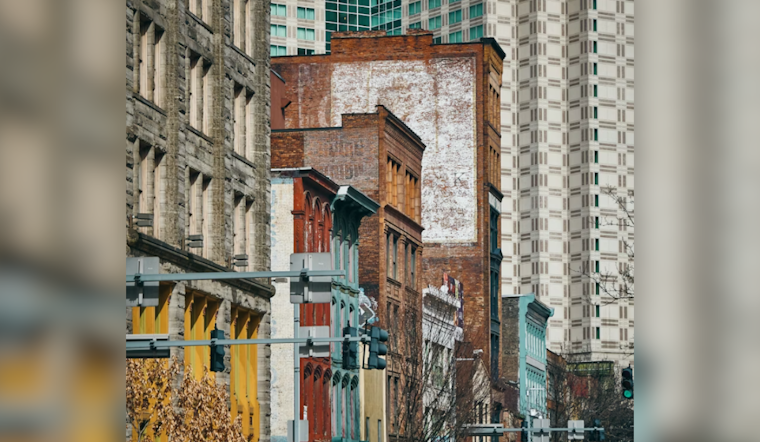
Steel City renters hoping for a cooldown are still waiting. Pittsburgh apartment rents nudged higher again in February, extending the modest rebound that started earlier this winter. The climb is happening even as a busy slate of new buildings moves toward lease-up across the metro, splitting the market between tight, in-demand urban pockets and neighborhoods swimming in fresh supply. For tenants, that means sharper increases in job-dense corridors and more choices, plus occasional concessions, farther out.
According to CoStar, apartment rents in Pittsburgh posted solid gains in February, marking the third consecutive month of growth. The firm also notes that fewer construction starts in recent months could ultimately help support rent growth over the longer term.
Market trackers lay out how that looks on the ground. RentCafe, which draws on Yardi Matrix data, pegs the metro’s average asking rent at roughly $1,786 as of Feb. 21, 2026, about a 2.1% year-over-year rise. A Yardi Matrix city snapshot also counted roughly 2,793 units under construction as of February and nearly 16,000 more in planning or permitting, a sizable pipeline the market is still working through.
Apartment List’s March rent report puts the citywide median at $1,362 after a 0.8% month-over-month bump and shows rents up about 3.9% year-over-year. Taken together, those month-to-month and year-over-year moves highlight how typical seasonal leasing patterns, combined with tightening vacancy in certain submarkets, are translating into noticeable increases for tenants.
Investors have not missed the signal. Industry reporting shows JRK acquired Edge 1909, a 364-unit Class A community in the Strip District, late in 2025 as part of a broader push by buyers into stabilized properties in markets with steady demand. Multifamily Dive highlighted the deal as an example of continued capital flowing into Pittsburgh assets even as new inventory comes online.
Where Tenants Feel It
The rent story is far from uniform across the city. Central neighborhoods near universities, hospitals, and downtown, including Central Oakland and parts of the Strip District, are commanding well above the city average. Many inner-ring suburbs, meanwhile, still offer lower asking prices and more room for negotiation. According to RentCafe, several of those central pockets now sit significantly higher than the $1,786 metro average, increasing affordability pressure on renters who want to stay close to transit and major job centers.
Outlook
Analysts say the near-term trajectory for rents will hinge on how quickly current lease-ups stabilize and whether construction starts remain muted. Yardi Matrix and other trackers have documented a national pullback in starts that is expected to trim the pipeline over the next 12-24 months. In Pittsburgh, that could translate into steadier rent gains once the current wave of deliveries is absorbed.
For now, renters in tight central submarkets should brace for continued upward pressure, while those willing to head a bit farther out may still find better deals and occasional concessions. Owners and policymakers will be watching closely to see whether demand keeps pace with all the new supply; that balance will determine just how fast monthly rents continue to climb.





