

























































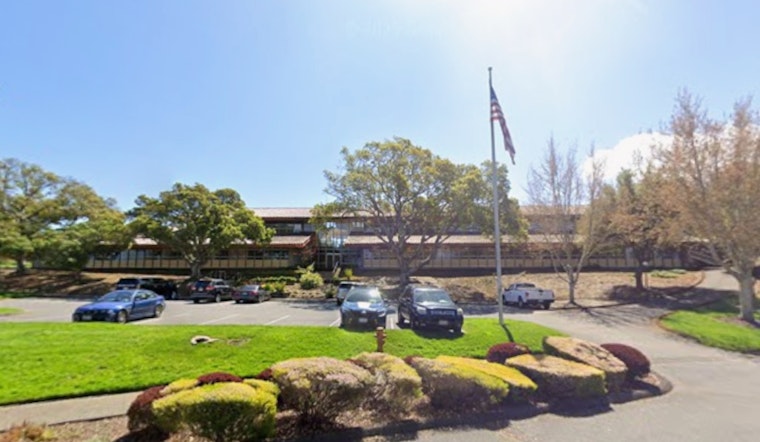
The 12-year tug-of-war over the 127-acre Seminary at Strawberry is finally easing up, after the developer and neighborhood leaders struck a truce that shrinks the campus plan and clamps down on commuting students.
Unveiled at the Marin County Planning Commission’s March 2 meeting, the settlement would cap academic enrollment on the property at 1,000 students and limit commuting students to 325. Anyone enrolled beyond that commuter cap would have to live on campus. The proposal still includes a sizable housing component and an adult residential-care facility that would significantly reshape the old seminary grounds.
At the hearing, county staff and neighbors told commissioners the settlement between North Coast Land Holdings and the Seminary Neighborhood Association effectively ended a 12-year campaign to block redevelopment, as reported by SFGATE. Neighbors had pushed hard to cut projected daily car trips, and the new residency limits are designed to curb commuter traffic into Strawberry. Commissioners appeared caught off guard when the concessions were announced and reworked their prepared remarks on the fly.
Agreement Caps Commuters And Freezes New Proposals
Andrew Giacomini, speaking for North Coast, told the commission that one key concession was to “limit the academic use to undergraduate, graduate and research undertakings,” with on-site enrollment capped at 1,000 and commuting students capped at 325, according to Local News Matters. He added that anyone enrolled beyond the commuting cap would need to live on campus, and that North Coast agreed not to seek additional development for 15 years. Seminary Neighborhood Association president Michael Gallagher told commissioners the group had shifted to a “non-opposition” stance, while reserving the right to make sure the concessions are locked in and enforceable.
What The Plan Would Build
Project materials highlight low-profile buildings, large stretches of preserved open space, two new public parks and underground parking intended to blunt visual and traffic impacts. The plan pairs multifamily housing with an adult residential-care facility and features designs by San Francisco firm Mark Cavagnero Associates, according to developer materials from The Seminary at Strawberry.
How Current Renters And County Rules Factor In
County documents show that most existing rental buildings on the site would be demolished, roughly 139 of the 152 current units, displacing about 320 residents, and that low-income tenants would qualify for relocation benefits, including moving assistance and payment of any rent difference for up to 42 months, per Marin County. The county also notes that about 70 percent of the 127-acre site would remain open space, and that because the housing components line up with the Countywide Plan and state housing laws, local options to deny or significantly shrink a standards-compliant project are limited. The Planning Commission is scheduled to consider certification of the final environmental impact report on March 30, a step that would come before any review by the Board of Supervisors, according to a county announcement.
What To Watch Next
The March 30 hearing will show whether the proposed residency caps, the developer’s 15-year pledge and the tenant relocation protections are written into binding permit conditions or left as voluntary promises. If the county certifies the environmental report, the project will move into detailed permitting and construction phasing, and the community will be watching closely to see how relocation, affordable housing requirements and tree-removal mitigation play out on the ground.


