

























































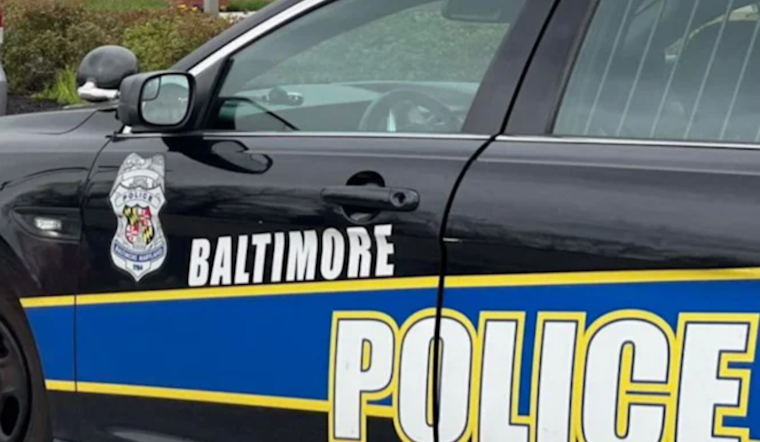
Baltimore’s system for responding to people in mental health crisis is straining under a workload it was never really staffed to handle. A small, specialized crisis team and already busy patrol officers are left scrambling to cover calls that city leaders once hoped clinicians could take on instead. Crisis officers and community providers say demand has outrun both staffing and available beds, and audits show many more calls could be steered away from police. In the gap, routine welfare checks can snowball into major incidents that pull in multiple units and top brass.
Small team, big caseload
The city’s crisis response unit, created nearly a decade ago, currently runs a single midday shift with just three officers, one sergeant, and one lieutenant on the schedule, according to reporting. As reported by The Baltimore Banner, Officer Angelo Cossentino said, “we’ve just started to address something that’s really, really needed,” and estimated the team handles two or three very serious calls a week while doing roughly 20 door-to-door checks a day.
Training is improving but far from enough
The Baltimore Police Department reports that roughly 28–30% of patrol officers have completed crisis intervention training, a jump the department highlighted in its year-end report. Per the Baltimore Police Department, that increase is real progress, but it still leaves many shifts without a fully trained officer available to lead the response to behavioral health emergencies.
Calls still rarely diverted from 911
Baltimore launched a 911 diversion pilot to route certain behavioral health calls to the Here2Help hotline instead of sending police by default. Yet diversion volumes have slipped over time: reporting highlighted by Firehouse said referrals dipped from several hundred to only a few hundred annually in recent years. Baltimore Crisis Response, Inc., which operates the hotline and the regional 988 lifeline, says it still accepts diverted calls but that staffing levels, limits on which call types can be routed, and competing duties have all constrained how many cases it can realistically take, per Baltimore Crisis Response.
Officials push for alternatives
City officials are now pushing harder for a different playbook. Council President Zeke Cohen is advocating an alternative response model that would send eligible 911 calls to licensed clinicians or trained peers instead of automatically dispatching officers. The mayor has directed additional funding to crisis services, and the mayor’s office and Baltimore Crisis Response have rolled out program expansions, the local station WMAR2 News reported.
Oversight and what comes next
An independent audit cited by The Baltimore Banner found that at least 15% of sampled behavioral health calls should have been routed to crisis teams instead of police, raising fresh questions about how dispatchers sort emergencies. At the same time, the Maryland Attorney General’s Independent Investigations Division is investigating recent police-involved deaths that occurred during behavioral encounters, and the city’s consent decree work links crisis training and diversion goals to broader police reform efforts, according to the Attorney General's IID and city planning documents.





