

























































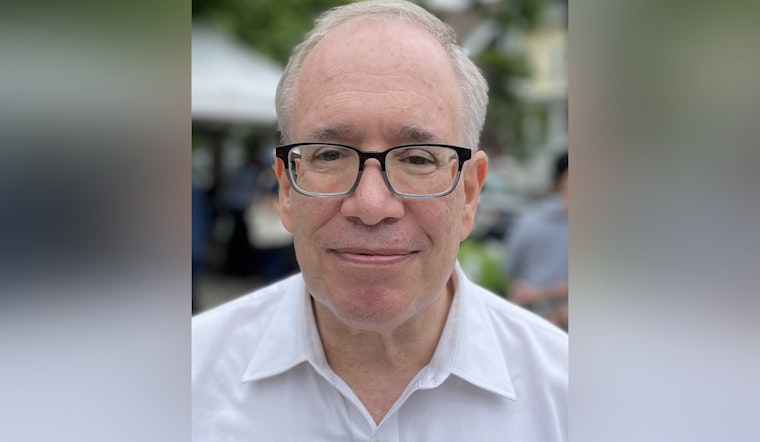
Former city comptroller Scott Stringer says New York has hit an inflection point, and that the kind of tough fiscal choices politicians usually tiptoe around, including raising taxes, are now squarely on the table. He argued that a shifting political landscape is forcing more direct questions about how much revenue the city really needs, what services residents expect, and who is supposed to pick up the tab.
In a sit-down that aired Sunday, Stringer walked through what he called “changes in city politics,” his read on the city’s books, and whether new revenue tools should be part of the mix, according to CBS News New York. The conversation moved from big-picture political shifts to the gritty tradeoffs that come when money is tight and everyone still wants their garbage picked up on time.
Stringer is no stranger to that balancing act. He has previously served as New York City comptroller, Manhattan borough president and a state assemblymember, a resume that has kept him close to the city’s fiscal debates for years, per Wikipedia. During his most recent mayoral run, he rolled out policy proposals that included plans for more affordable housing and different uses of city-owned land, as reported by amNewYork.
Budget backdrop
City officials are still staring down multi-billion-dollar gaps in future years while they try to juggle housing, schools, transit and social services, a mix that has made any talk of new revenue politically touchy, according to City & State. The mayor’s preliminary budget materials show City Hall leaning on reserves and agency savings as it maps out the rest of the fiscal year, per the Mayor’s Office.
That is the backdrop for Stringer’s comments: a city trying to patch budget holes without setting off a political firestorm, while advocates and agencies warn that cuts have real-world consequences in classrooms, shelters and subway stations.
Stringer’s pitch
On Marcia Kramer’s show, Stringer argued that residents deserve a straight answer about tradeoffs. If taxes go up, he suggested, people should be told exactly what services are being protected; if they do not, they should hear clearly what gets trimmed. His focus was less on a single fix and more on forcing a public conversation that spells out winners, losers and the fine print captured in the CBS News New York interview.
He has also put specific policy ideas on paper in his campaign materials, including proposals to use underused city land to unlock more housing and to explore targeted revenue tools, as detailed by the Scott Stringer campaign. The message is consistent: the city cannot pretend its way out of a budget crunch, and any path forward will involve choices someone is not going to like.
What to watch
Budget negotiations are set to roll through the spring as the mayor and City Council tweak the preliminary plan and weigh revenue options; final adoption typically lands in June, according to guidance from the Mayor’s Office. Between now and then, expect loud lobbying from neighborhood advocates, unions and business groups over what any new revenue plan protects and what it asks of ordinary New Yorkers.
Stringer’s remarks drop one more voice into a crowded debate over taxes and services, and they highlight how quickly local politics can narrow the menu of realistic options at City Hall. For now, the tax question is no longer a hypothetical talking point; it sits in the middle of a set of hard budget decisions that city leaders will have to make in public view.





.jpg)