

























































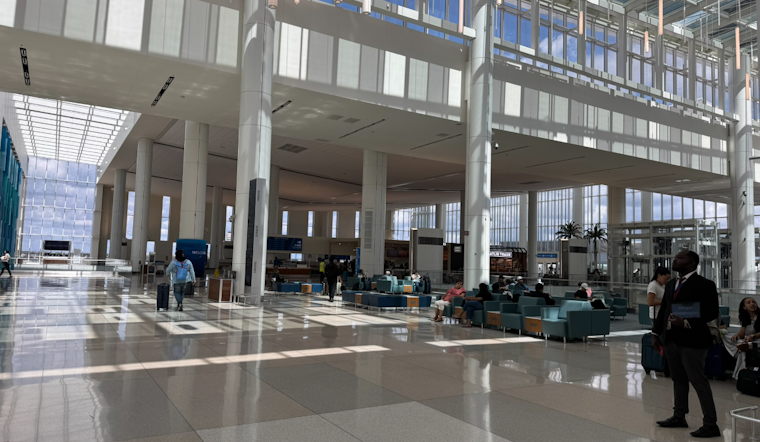
Orlando fliers may not see new letters on the arrivals board yet, but Tallahassee just grabbed the pen. State lawmakers have approved a plan to take control of naming rights for Florida’s largest airports. Orlando International stays "Orlando International" for now, yet MCO is now on an official list of "major commercial service airports" that the Legislature says it can name. The immediate hit is mostly symbolic, but the new legal authority is anything but.
What the bill does
House Bill 919 rewrites state law to "preempt" the naming of medium- and large-hub commercial airports in the state. It spells out several facilities by location and name, and Orlando International is on that list. The measure also designates Palm Beach’s airport as "Donald J. Trump International Airport," requires Federal Aviation Administration approval before any new name becomes official, and calls for a licensing agreement to allow use of the new name at no charge for airport operations and marketing. On top of that, the bill directs the Florida Department of Transportation to begin using those names in government records after July 1, as detailed by the Florida Senate.
Why MCO is in the conversation
Only one airport is actively targeted for a rename in the bill, and it is in Palm Beach. Orlando, though, is swept into the argument because MCO appears on the new list of "major commercial service airports" that fall under state naming control. The proposal, filed by Rep. Meg Weinberger, moved briskly through committees and quickly caught the attention of Central Florida, reviving a long-standing question: how far can Tallahassee go in overriding local authority over airport branding. For a deep dive into how the bill landed on Orlando’s radar, see reporting from ClickOrlando.
Money, trademarks and pushback
In Palm Beach, airport officials are not treating the potential rename as a simple sign swap. They estimate that changing the airport’s name would trigger about $5.5 million in expenses, from new signage and uniforms to software and systems updates. A spokesperson for Palm Beach County’s airport authority has said those costs would fall on the airport itself unless the Legislature steps in with cash, a detail that has fueled resistance among some local leaders. The price tag is reported by WLRN.
The name fight grew louder after a Trump-linked entity filed trademark applications with the U.S. Patent and Trademark Office for phrases such as "President Donald J. Trump International Airport." Critics argue that those filings could blur who actually controls airport branding and complicate any licensing agreement the state would need. The trademark activity is detailed by WPBF.
Legal and operational hurdles
Even with state power on paper, the bill reminds lawmakers that federal regulators still have a say. Any airport rename covered by the statute would require FAA approval along with "the execution of an agreement" that authorizes use of the new name at no cost for airport operations and marketing. The bill also says that if an airport later drops out of its FAA hub classification, its legal name under state law would not automatically change. On top of that, the Department of Transportation must review the list of airports every year and alert lawmakers if any facilities should be added or removed, according to the Florida Senate.
What’s next in Tallahassee
Lawmakers signed off on the measure in February, and the bill is now on its way to Gov. Ron DeSantis. If he signs it, the naming rules are scheduled to take effect on July 1, 2026. Even then, any real-world name changes would still hinge on FAA signoff and a licensing deal with whoever owns the rights to the proposed name. For the timeline and next procedural steps, see coverage from WPBF.
For Orlando, nothing at the airport physically changes today. MCO’s code, signs, and branding stay put. What has changed is who holds the ultimate naming power. That new tool in Tallahassee’s kit will have Central Florida officials, airport leaders, and frequent fliers watching closely to see what the governor decides, how the FAA responds, and whether trademark and licensing questions turn into the next big Florida fight before anyone orders fresh lettering for the terminal roof.





