

























































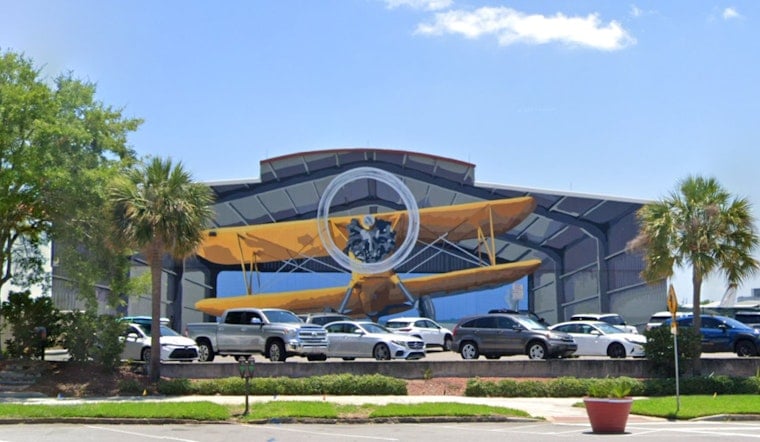
Tampa Bay’s skyline may get a sci-fi twist as soon as this summer, with electric air taxis poised to start buzzing between local airports after federal officials tapped Florida for a major new test program. The move puts everyone from St. Petersburg’s waterfront Albert Whitted Airport to Tampa International at the center of a fast-moving push to figure out where vertiports, chargers and air corridors might actually go. Demonstration flights and task-force meetings are already stacking up, even as nearby neighborhoods keep pressing for answers on noise, locations and safety.
Federal Pick and What It Means
The U.S. Department of Transportation and the Federal Aviation Administration have slotted Florida into the Advanced Air Mobility and eVTOL Integration Pilot Program, naming the state as one of eight pilot sites and saying operations could begin this summer, according to the U.S. Department of Transportation. The plan is structured as a statewide effort led by the Florida Department of Transportation, rolling out in phases that focus on passenger service, cargo runs, automated operations and medical-response flights.
Local Planning Picks Up Pace
On the St. Petersburg side of the bay, the city’s Advanced Air Mobility Task Force has already delivered a roadmap that calls for dedicated AAM parking, electrical charging and fire-suppression upgrades at Albert Whitted Airport, plus long-term planning for standalone vertiports in high-demand neighborhoods, according to Bay News 9. Planners have also floated a regional flight corridor between Albert Whitted and Tampa International that could cut some cross-bay commutes down to a quick hop by air, though the task force has warned that any new operations need to avoid disrupting existing airport activity, FOX 13 reported.
Tampa Already Ran a Test
Tampa International Airport has a head start. The airport hosted Florida’s first crewed eVTOL demonstration in November 2023, when Volocopter completed a test flight at TPA, and officials say the airport’s master plan already flags potential urban air mobility sites, according to Tampa International Airport. Airport leaders say that early Volocopter demo helped show how quieter, battery-powered aircraft might operate alongside traditional commercial traffic.
Who’s Involved and the Near-Term Timeline
The DOT’s announcement lists several industry partners set to work with Florida’s pilot program, including Archer, BETA, Electra and Joby, and says the testing will generate data the FAA will rely on when it writes future rules, per the U.S. Department of Transportation. Joby has already begun flying an FAA-conforming version of its electric air taxi and says it plans demonstration flights in Florida along with other U.S. regions, Flying reported.
Neighborhood Questions and Safety Concerns
Local coverage has highlighted some of the big sticking points that come with flying taxis: where vertiports will be built, who pays for charging infrastructure and what the noise will mean for nearby homes. The task force has urged careful siting and substantial community outreach before any routine passenger service takes off, FOX 13 reports. Its recommendations include electrical and fire-system upgrades at Albert Whitted and specific steps for public engagement, according to Bay News 9.
What Comes Next
In the coming months, residents can expect more public meetings, supervised demonstration flights and a lot of coordination among FDOT, local governments and industry partners as the effort shifts from paperwork to test runs. Local TV has already leaned into the headline question, “Flying cars coming to Tampa?”, in coverage of the initiative, WFLA Daytime reported. Regulators say the goal of these pilots is to collect the real-world data the FAA needs to craft operating rules, and that any widespread commercial service will still hinge on aircraft certification and sign-off from the communities expected to live with air taxis overhead.





