

























































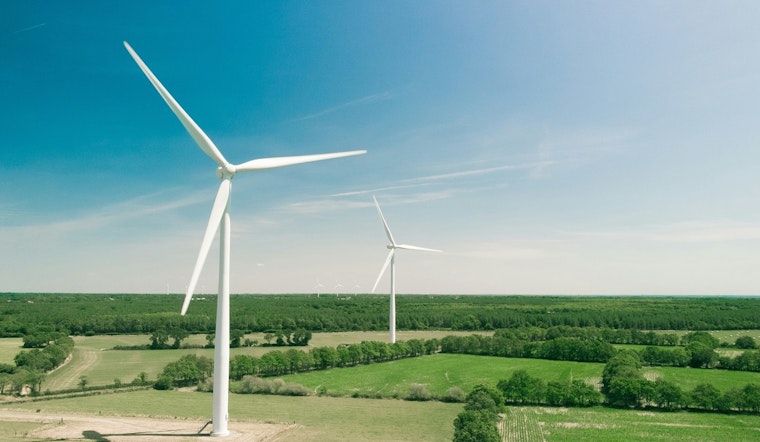
North Carolina’s clean-energy workforce is still climbing, and the action is shifting squarely to the factory floor. A new statewide snapshot shows more of those paychecks coming from battery and solar plants, even as energy-efficiency crews and grid-upgrade projects keep humming along. For communities across the state, that translates into more industrial hiring, supplier contracts, and fresh pressure on utilities to keep the juice flowing.
According to a new Clean Jobs analysis from E2, North Carolina’s clean-energy job market has grown 13.8% since 2020 and now includes roughly 113,000 workers. The report credits private investment in battery and solar manufacturing, ongoing demand for energy-efficiency upgrades, and steady grid-modernization work as the main engines behind that growth.
Manufacturing Is Leading The Surge
The analysis finds manufacturing is on track to edge out renewable power generation as the state’s second-largest clean-energy employer, behind energy efficiency. Ryan Evans, executive director of Chambers for Innovation and Clean Energy, told WFAE that major companies are landing in North Carolina in part because “we're seeing a demand for companies to say, ‘OK, who can get me the power that I need?’” That combination of heavy electricity demand and ready-made industrial sites is proving to be a powerful lure.
Big Factory Bets Are Piling Up
Some of those bets are already visible on the ground. Boviet Solar opened a module plant in Greenville last year and has pledged hundreds of jobs, and Toyota’s battery campus in Randolph County has begun production with a multibillion-dollar investment and thousands of planned positions. The Boviet opening was celebrated by the governor, per the state’s press release, and NC Commerce says Toyota’s $13.9 billion project will create more than 5,000 jobs and help reshape the Triad’s industrial base. Those plants, along with the suppliers, contractors, and training programs that cluster around them, are the bricks-and-mortar proof behind the report’s numbers.
Training And The Workforce
Analysts say education and training efforts are scrambling to keep up with employer demand for battery assembly, PV manufacturing, and grid-modernization skills. The Clean Jobs analysis from E2 finds many new roles in construction and professional services, which puts community college programs and apprenticeship tracks in the spotlight. How quickly those pipelines can scale will help decide whether the promised factory work actually lands with residents in nearby towns.
What To Watch
The statewide report also flags some potential speed bumps. Rising electricity demand, local pushback to certain solar projects and ongoing supply-chain hiccups could all slow momentum if policymakers and utilities fail to respond. Chambers for Innovation and Clean Energy urges state leaders to streamline permitting, boost grid investment and plan more deliberately for workforce needs so North Carolina’s clean-energy job boom does not stall just as the factories start to hum.





