

























































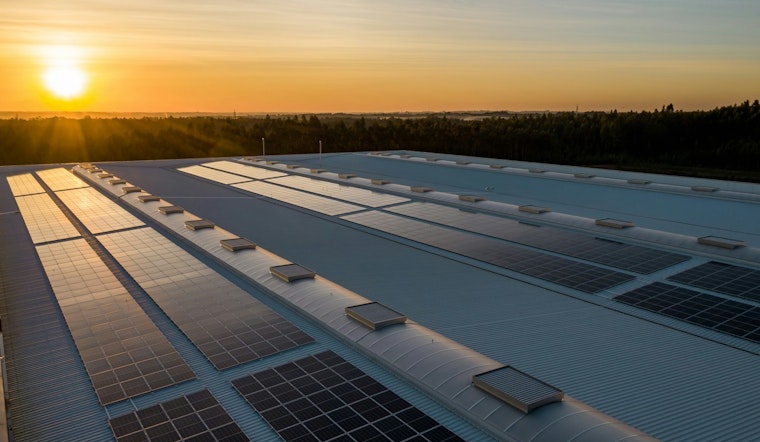
Roughly three gigawatts of planned wind and solar projects in New York, enough clean power to matter in a big way for upstate counties, are now sitting in limbo. Federal tariffs have pushed the cost of key equipment and steel far beyond what developers originally bid, and contractors and lenders say those once-winning deals no longer pencil out. The projects are permitted and ready to go on paper, but with little room in the contracts to renegotiate prices, a big slice of the state’s clean energy pipeline is frozen.
According to Gothamist, the Alliance for Clean Energy New York estimates tariffs have driven up project costs by as much as 30 percent, shoving many contracts deep into the red. "None of the contracts are financially viable anymore because of tariffs," Marguerite Wells, the alliance's executive director, told the outlet. Gothamist also reported that developers had already locked in federal 30 percent investment tax credits, which industry figures say represent roughly $3 billion in value tied to these stalled projects.
Tariffs Squeeze Supply Chains And Financing
The crunch traces back to White House tariff actions that hiked duties on metals and certain foreign-made components, including increases that pushed some steel and aluminum levies to 50 percent, according to the AP. Developers say the resulting price spikes hit long-lead items like turbine towers and imported solar hardware, inflating project budgets and spooking financiers. Trade and construction outlets have already documented contractors delaying or scrapping marginal builds, which raises the odds that New York awardees will not be able to secure the loans they need to get shovels in the ground.
Contracts, Credits And A Tight Corner On Rebids
Developers have asked the New York State Energy Research and Development Authority for permission to terminate and rebid, arguing that new prices have to reflect tariff reality. NYSERDA has pushed back, saying it has to protect ratepayers and keep competitive solicitations credible. In comments to state regulators, quoted by Gothamist, the agency said the bidding process "is designed to protect consumers and result in fair and cost-effective contracts."
That stance leaves companies holding valuable tax credits and, in some cases, equipment orders, but with very little contractual room to reprice their projects without risking penalties or forfeiting security. On paper they have deals and incentives. In practice, they have projects that no longer add up.
How Much Power Is On The Line?
New York Focus identified roughly 26 wind and solar projects that have permits in hand but remain unbuilt, together totaling about 3,000 megawatts of capacity. That number tracks with the volume industry groups now warn could fall out of the pipeline entirely if the contracts are not made financeable.
These projects have already cleared major siting and environmental reviews, yet none has broken ground. Procurement and construction are still ahead of them, and those are the stages most exposed to tariff-driven price volatility. Different outlets translate that at-risk capacity into household equivalents in different ways, but the basic takeaway is clear: a meaningful chunk of New York’s next wave of clean energy is in jeopardy.
Legal And Financial High Wire
NYSERDA has submitted filings to the Public Service Commission that analyze petitions for price adjustments and examine how relief might affect strike prices and ratepayers, while also warning that blanket rewrites of contracts could bring consumer costs and legal headaches. Those arguments are laid out in agency comments made public via NYSERDA comments.
The filings underscore that many existing agreements leave very limited room for unilateral renegotiation, which gives developers only narrow legal options to push for higher prices. For some companies, the most realistic move may be to shift tax-credit-backed projects to other states where construction and equipment costs still line up with what lenders will tolerate.
What Happens Next
The Hochul administration has ordered state agencies to study how the federal tariffs could affect system reliability and costs, and the Department of Public Service has begun that review, according to a notice from the New York Department of Public Service. Industry groups, meanwhile, are pushing for either federal relief or state-level tools that would share tariff risk so projects can move forward.
National construction coverage suggests this fight is part of a wider policy tug-of-war over tariffs and project costs across the economy, including reporting from Engineering News-Record. If no fix emerges, developers say they may redeploy their credits to other states, and New York stands to lose both clean generation and the jobs that would have come with building it.
For New Yorkers, the immediate impact could be slower emissions cuts and higher short-term electricity prices while state officials and industry leaders search for a policy detour around the tariff roadblock. The longer-term test will be whether procurement rules can bend enough to handle global trade shocks or whether the Empire State watches projects it already awarded slip away to friendlier markets.



