

























































Tariffs are rippling through Michigan storefronts, and customers are starting to feel it at the register. Prices are climbing, orders are shifting and the careful balancing act that keeps small retailers afloat is getting a lot trickier.
Tariffs are reshaping prices and planning
In a May member survey, roughly two-thirds of retailers reported they have already raised prices and more than half said they have delayed or changed orders because of tariffs, according to the Michigan Retailers Association. The same survey found that more than 60% of respondents import goods, most often from China, Canada and Mexico. About 26.5% said they have changed inventory and 14.3% reported switching suppliers. Those moves have led some stores to postpone planned projects and rethink seasonal buying, the association reported.
Detroit restaurateurs say costs jumped on bottles of wine
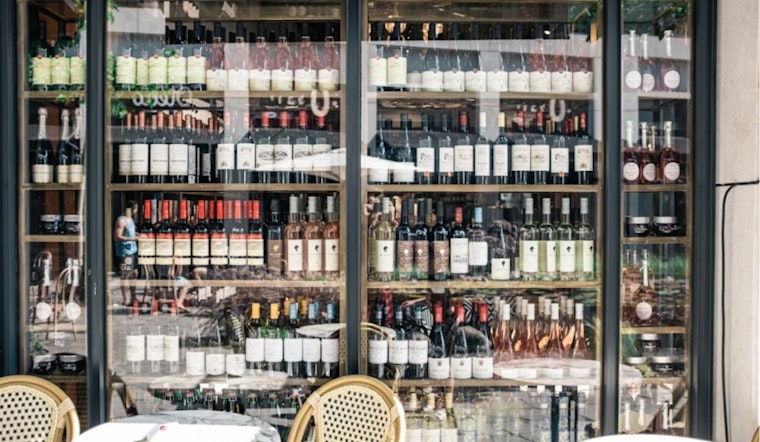
For restaurateurs, the math shows up fast on the wine list. Bobby Vance of Marrow Hospitality told Crain's Detroit Business that tariff-fueled price hikes on wine have gone from about $0.50 per bottle to roughly $3 to $6. He said overall wine costs are up around 20%, which has spots such as the Royce wine bar steering more firmly toward bottles priced at $30 and under. Vance added that, so far, the pressure from tariffs has not forced staffing cuts at his businesses.
Some retailers are pivoting to U.S. suppliers
To blunt the sting, some brands are trying to shift production back to the United States or buy from U.S.-based assemblers, but that transition is costly and slow. "Smaller purchasing volumes leave it with less leverage with importers and distributors," Vance told Crain's. At the same time, analysts say the broad tariff moves announced in April 2025 have injected added uncertainty into already strained supply chains, as explained by CSIS.
What this means for Main Street
Bill Hallan, CEO of the Michigan Retailers Association, has warned members that shifting tariff policies are making planning "very difficult" for the small businesses that make up most of Michigan's retail sector. The state has more than 90,000 retail establishments that employ over 500,000 people, so higher prices and delayed projects have the potential for broad ripple effects, the association noted.
For now, retailers say shoppers should be ready for slimmer selections and higher price tags on some imported goods as businesses decide how much of the added cost to absorb and how much to pass along. Many owners say they would gladly reverse course if tariff policy settles down. Until that happens, local shops are left juggling the fallout one shipment at a time.





