

























































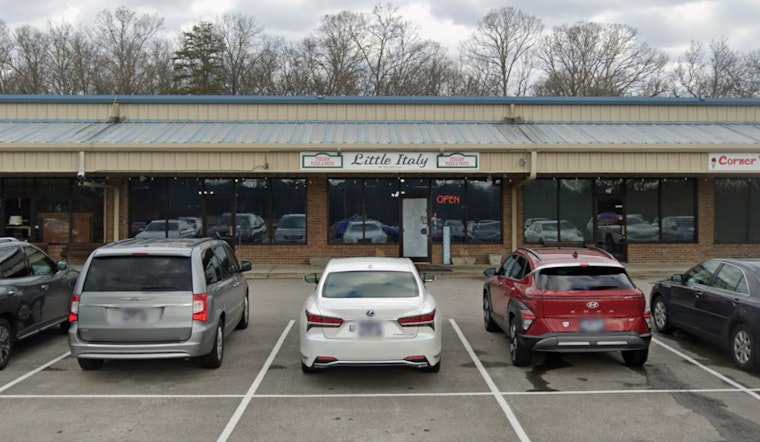
A surprise health inspection at Little Italy of Tellico Village in Loudon turned Thursday into a rough day in the kitchen. Triggered by a customer complaint, the visit ended with the restaurant slapped with a failing score of 65. Multiple priority and major violations were logged, some food had to be tossed on the spot, and health officials say the neighborhood staple will stay on their radar while they verify that everything gets cleaned up and corrected.
Violations Cited by Inspectors
According to WATE, the inspection report noted chemicals and roach spray stored above clean dishes, along with pizza boxes and deli papers sitting directly on the dry-storage floor. Inspectors also found a can opener blade with old food stuck to it.
The report states that chicken wings, sliced turkey and ham had all gone past the seven-day date-mark limit and were thrown away during the visit. Several dented cans with compromised seams were also discarded. On top of the specific food-safety issues, inspectors cited the person in charge for failing to demonstrate managerial control while multiple priority violations were in play.
What Tennessee Rules Require
Under Tennessee law, health inspection findings have to be recorded on standard forms and made available for the public to review. A legislative summary of the state’s retail food rules notes that counties have historically carried out routine inspections to enforce those standards. The Tennessee General Assembly lays out the legal framework that governs how scores are reported and posted.
The Tennessee Department of Health also encourages diners to speak up if they spot potential food-safety problems, either by calling 800-293-8228 or by using its online complaint form.
Follow-Up Inspection And Scores
WATE reports that a follow-up inspection later raised Little Italy’s score to 90. Under the local grading system, anything 69 or below is considered a failing score, so the new mark moves the restaurant back into passing territory.
The outlet contrasted Little Italy’s rocky first visit with several nearby eateries that picked up top scores in the same week, underscoring how inspections can range from a few minor fixes to almost perfect reports. Health officials typically require priority violations to be corrected and then schedule reinspections to confirm that the problems are actually resolved.
What Patrons Can Do
In practice, Tennessee restaurants are expected to post their most recent inspection report where customers can see it, or make it available on request through the local health authority. Diners who notice conditions that do not look safe can file a complaint using the state hotline or by contacting their county health department.
Inspectors then revisit to check whether issues have been fixed. If serious violations keep showing up or are left uncorrected, local officials can pursue additional enforcement steps under state rules.





