

























































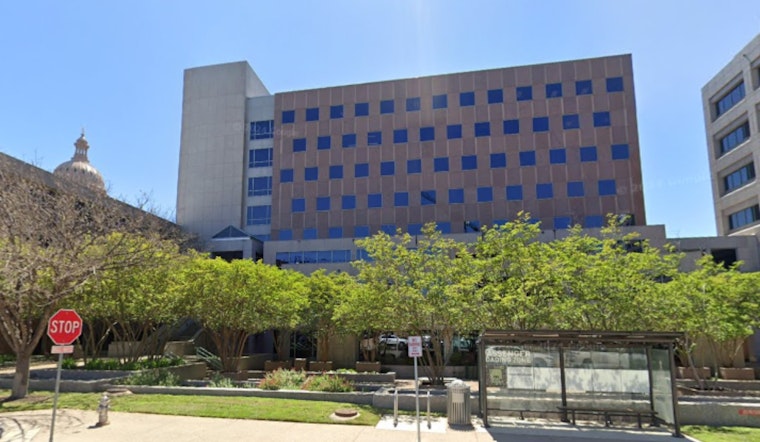
Randy Halprin, one of the men known as the "Texas 7," was back in a Dallas courtroom today, returning to the city where his capital murder case first unfolded more than two decades ago. This latest appearance was brief and largely about scheduling as lawyers on both sides gear up for a retrial ordered by the state's highest criminal court. That new trial was granted after appeals judges concluded his 2003 proceeding was tainted by the trial judge's antisemitic bias.
According to WFAA, today's hearing in Dallas was a quick, routine check-in tied to the retrial process. The station reported that the session was mostly administrative, with no major rulings from the bench and little in the way of courtroom fireworks.
Why The Retrial Was Ordered
In November 2024, the Texas Court of Criminal Appeals reversed Halprin's conviction and ordered a new trial after concluding the judge who presided over the 2003 capital case had displayed "poisonous antisemitism," which the court said undermined Halprin's right to a fair trial, according to AP News. The ruling followed a 2022 finding by a Dallas judge that the former trial judge used racist, homophobic, and antisemitic slurs outside the courtroom. Halprin's attorneys have framed the appellate decision as a necessary pushback against religious bigotry in the justice system.
Dallas County District Attorney John Creuzot told The Dallas Morning News in May 2025 that his office intends to seek the death penalty if Halprin is retried. Defense lawyers have argued the case needs a fresh, thorough review and have warned that potential conflicts involving members of the defense team could slow things down. Those questions about who can represent whom and what evidence can be used are expected to loom large as the case grinds forward in Dallas courts.
The group dubbed the Texas 7 escaped from the John B. Connally Unit in December 2000 and committed a string of robberies that ended in the killing of Irving police Officer Aubrey Hawkins during a Christmas Eve robbery. Hawkins was shot 11 times and run over, according to AP News. Four of the escapees have since been executed and one died by suicide while on the run; Halprin and fellow defendant Patrick Murphy remain alive as the legal battles continue. The saga has long fueled debate over Texas' law of parties, which allows a person to be held responsible for another's actions if they take part in a group crime.
Legal Fight Moves Back To Dallas
Judge Lela Mays has been overseeing a series of hearings in Dallas where prosecutors and defense teams have tangled over conflicts of interest, evidentiary questions, and procedure, according to local reporting. The Dallas Morning News has detailed prosecutors' claims that some defense attorneys' prior connections to the case, including attendance at earlier executions related to the Texas 7, could create an appearance of conflict. Defense lawyers have pushed back, calling those concerns unfounded. How Judge Mays resolves those disputes will shape how quickly the case moves and which witnesses and documents ultimately make it in front of a jury.
What Comes Next
No trial date was set at Friday's hearing, and court records indicate the near-term focus will be on motions and scheduling before any firm trial calendar is in place. The retrial order grew out of the appellate court's finding of judicial bias, and the Tarrant County District Attorney's Office has previously been appointed to handle legal issues tied to that review, according to The Texas Tribune. For now, Halprin remains in custody while both prosecution and defense prepare for what looks like a drawn-out legal fight that could stretch on for months, if not longer.



