

























































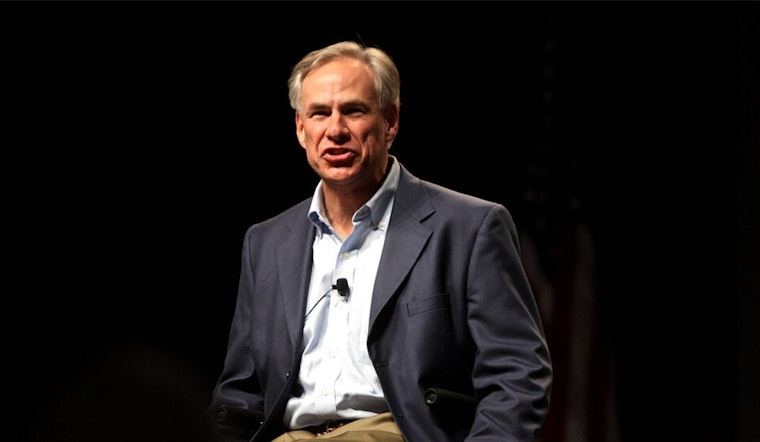
Texas manufacturers caught a tailwind in February, reporting stronger output and steady hiring that suggests the state’s factory floors were busier than they have been in recent months. The uptick was enough to spark a celebratory post from Gov. Greg Abbott’s press office early today, which highlighted an increase in manufacturing jobs and again branded Texas the engine of America. For now, the latest regional survey offers a short-term boost for industrial hubs around the state, even as companies warn that rising wages and input costs are starting to bite.
What The Dallas Fed Found
Last Monday, the Federal Reserve Bank of Dallas’ Texas Manufacturing Outlook Survey pointed to modest expansion in the sector. According to the Federal Reserve Bank of Dallas, the production index registered 12.5, while the general business activity index barely slipped into positive territory at 0.2. The survey’s employment index held at 7.5, hours worked ticked higher, and the wages-and-benefits index jumped noticeably. In plain terms, respondents signaled that they were hiring, keeping workers on longer shifts, and paying more to do it.
Abbott’s Message And The Political Spin
Gov. Abbott’s press office quickly latched onto that narrative in a Sunday post, celebrating that “This February, Texas factory activity is up and so are manufacturing jobs!” and repeating the line that “Texas is the engine of America,” per the Governor Abbott Press Office. Staffers framed the Dallas Fed snapshot as proof of statewide economic momentum and rolled the hiring signal into the governor’s broader jobs message. It is a familiar move at the Capitol, where political teams often turn to regional Fed surveys for quick positive talking points even though economists stress that these diffusion indexes show direction, not precise job counts.
This February, Texas factory activity is up and so are manufacturing jobs!
— Governor Abbott Press Office (@GovAbbottPress) March 1, 2026
Texas is the engine of America.https://t.co/1uHEtLVumc
Survey Signals, Not Payroll Counts
The Dallas Fed’s manufacturing measures are diffusion indexes that track the share of firms reporting increases or decreases. They are useful for gauging whether conditions are improving or worsening, and by how much, but they do not translate directly into raw employment totals. The survey’s design and forecasting power are spelled out in a Dallas Fed working paper, which describes the Texas Manufacturing Outlook Survey as a timely barometer, not a replacement for official payroll records, according to the Federal Reserve Bank of Dallas. Hard employment figures for February will arrive later from the U.S. Bureau of Labor Statistics and the Texas Workforce Commission, whose reports supply the official payroll counts used to confirm whether the survey’s upbeat hiring signal shows up as real job gains, per the Bureau of Labor Statistics.
What It Means For Workers And Manufacturers
Local coverage has reflected the same mix of optimism and caution. Fort Worth Inc reported that manufacturers flagged stronger hiring and longer hours, even as they warned that higher wages and pricier inputs could squeeze profit margins, echoing the Dallas Fed’s readings. According to Fort Worth Inc, production and capacity use climbed and wage pressures stood out, suggesting that some employers are competing more intensely for workers. For Texans watching for lasting job growth, the February survey is a welcome sign, but many analysts still want to see the upcoming payroll releases before calling it a turning point rather than a one-month pop.
For now, the Dallas Fed’s data give state officials and plant managers something tangible to point to: stronger output readings and a clear hiring signal that together imply busier shop floors. The gap between a positive survey response and an official bump in payrolls still matters, though, so attention will shift to the next rounds of employment reports and March business surveys to see whether February’s apparent momentum sticks.




.jpg)