

























































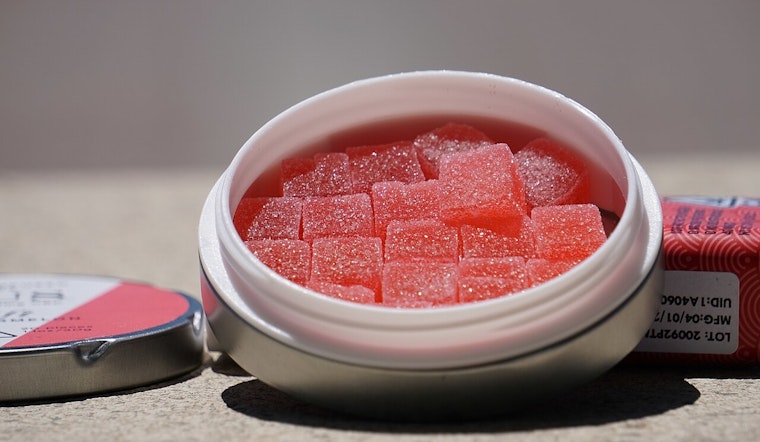
Emergency rooms across North Carolina are getting hit with a surge of children and teenagers who have been exposed to THC, and a lot of it is coming from products that look more like candy than drugs. Brightly packaged gummies, flavored chews and other hemp-derived items are easy to find in convenience stores and online, and many can be intoxicating. Local law enforcement, health officials and state leaders say the mix of novel cannabinoids and loose labeling rules has turned into a full-on public health headache.
State data reviewed by the News & Observer show that emergency-department visits tied to cannabis among people under 18 climbed about 924% between 2017 and 2025, and that the 2025 rate topped roughly 30 visits per 100,000 residents. The reporting also notes that two Triangle-area store owners were arrested on Jan. 22 after investigators said they found gummies and flower that exceeded the 0.3% delta-9 THC legal threshold.
What a New Federal Rule Means for the Market
Last fall, Congress overhauled the federal definition of “hemp,” adding a tiny per-package cap: finished hemp products cannot contain more than 0.4 mg of total THC per container, a change detailed on Congress.gov. That shift, which counts THCA and similar acidic precursors toward total THC, takes effect 365 days after enactment and will effectively bar most intoxicating hemp edibles and vapes from the federally legal market.
How Legal Hemp Products Still Get People High
THCA, the acidic form of THC found in raw plant material, is not intoxicating until it is heated and decarboxylates into delta-9 THC. Smoking, vaping or baking speeds that conversion and can produce the same clinical effects doctors are seeing in North Carolina ERs. Researchers have also identified cannabinoids such as THCP that laboratory work suggests can be many times more potent than conventional delta-9, which makes dosing and safety a lot trickier than a casual gummy might suggest, according to reviews indexed on PubMed and research published in Scientific Reports.
On the Ground: Schools, Parents and ERs
Haw River Police Chief Toby Harrison told the News & Observer that THC products are being passed around at high schools and urged parents to learn what these items look like and talk to their kids about them. Poison-control and hospital reports are backing him up: edible and hemp-derived exposures among small children and teens have jumped, often causing anxiety, vomiting, tremors, hallucinations or, in the ugliest cases, loss of consciousness.
Clinical studies of pediatric ingestions and poison-center data document those trends and the occasional need for hospitalization after high-dose edible exposure, including work cited on PubMed Central.
Economics and Enforcement Collide
The boom in hemp-derived cannabinoid sales is not just a niche side hustle. One 2023 industry analysis estimated tens of billions in sales, hundreds of thousands of jobs and billions in wages tied to the hemp cannabinoid market, according to Whitney Economics. At the same time, local arrests and state enforcement actions are showing how quickly that booming retail channel can turn into criminal cases when products cross legal THC thresholds.
Legal Implications
North Carolina’s governor has established a State Advisory Council on Cannabis to develop recommendations that aim to protect young people while bringing some order to the state’s patchwork cannabis market, according to the Governor’s office. The new federal law’s effective date is expected to usher in a period of regulatory and legal uncertainty for retailers, who may be held to a “total THC” standard that was not used when many of their products first went on sale.
What Parents and Schools Can Do Now
Clinicians say a few basic steps can make a real difference. Store edibles and vapes out of sight and reach, the same way you would treat prescription drugs or alcohol. Check labels and certificates of analysis for total-THC figures, not just delta-9 alone, and be skeptical of any product that looks like regular candy but is sold behind the counter.
If a child accidentally consumes a product, call Poison Control at 1-800-222-1222 right away, and seek emergency care for breathing problems, seizures, persistent vomiting or any altered level of consciousness. State leaders say they are hoping that the advisory council’s recommendations, combined with the coming federal rules, will narrow the market and cut down on accidental exposures, so fewer kids end up learning the hard way what was actually in that “candy.”





