

























































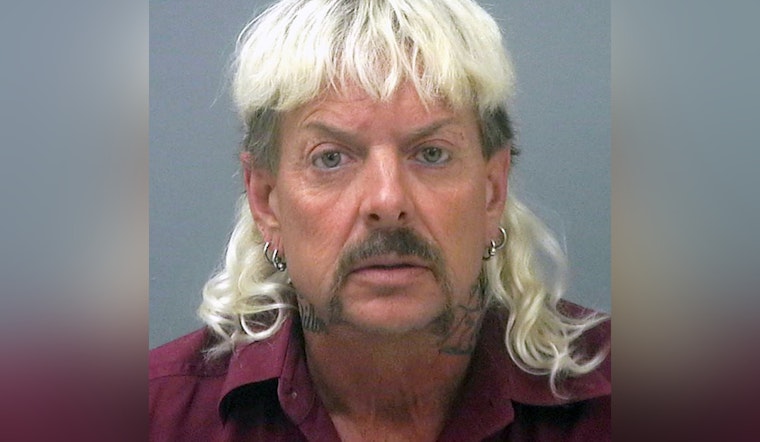
The U.S. Supreme Court on Monday declined to take up Joseph “Joe Exotic” Maldonado-Passage’s challenge to his 2019 murder-for-hire conviction, leaving the federal verdict in place and his long-running legal push effectively on hold. The ruling closes the latest chapter in a saga that went national with Netflix’s “Tiger King,” even as, closer to home, sanctuaries near the Triangle are still caring for animals pulled from his former Greater Wynnewood Exotic Animal Park.
High court declines to act
The justices issued a routine, one-line denial of his petition for a writ of certiorari on Monday, which keeps the 2019 convictions intact and offers no explanation. As reported by Courthouse News Service, the move shuts down Maldonado-Passage’s most recent attempt to get the high court to review his case.
What the defense argued
Maldonado-Passage’s petition claimed that several government witnesses later recanted and that prosecutors did not disclose promises that encouraged those witnesses to cooperate, arguments his attorneys said undercut confidence in the jury’s verdict. His legal team circulated those claims earlier this year in a public filing aimed at catching the Supreme Court’s attention, while also using the documents to renew public calls for executive clemency. Joe Exotic Official lays out the defense team’s assertions and the legal theories behind the petition.
Local sanctuary still caring for former park cats
In Pittsboro, Carolina Tiger Rescue, which has taken in multiple big cats removed from the Oklahoma facility, has quietly continued the daily grind of feeding, monitoring and medicating animals tied to the “Tiger King” story. In February, the sanctuary announced that Naveen, one of those rescued tigers, was euthanized after diagnostic tests showed irreversible brain damage and suspected strokes, a loss staff members described as heartbreaking. Volunteers and staff say this week’s court news does not change the practical reality for them, which is long-term care for animals that will never return to the wild. Chatham County details the rescue’s account of Naveen’s decline.
How the case arrived here
Maldonado-Passage was convicted in 2019 in federal court on two counts of hiring people to commit murder, along with multiple wildlife offenses. A federal appeals court later upheld those convictions but ordered resentencing. According to appellate records, the Tenth Circuit agreed with the trial court on guilt yet adjusted the way some counts were grouped for punishment, and the subsequent resentencing shaved about a year off his total prison term. Federal case filings and reporting trace that procedural history and the routes his lawyers have tried. For background on the appeals and key rulings, see the opinion posted on Justia, along with the original federal sentencing notice from the Department of Justice.
What comes next
With the Supreme Court declining to hear the case, Maldonado-Passage’s options narrow to requests for executive clemency, additional filings in lower federal courts or other postconviction efforts, avenues his attorneys and supporters have already talked about publicly. The defense has previously sought a presidential pardon and has continued to press its claims about witness testimony and undisclosed evidence in public documents, even as the underlying convictions remain in place. Meanwhile, Carolina Tiger Rescue and similar groups say their mission stays the same regardless of what happens in court: long-term medical care, enrichment and secure custody for animals that can no longer live in the wild. Joe Exotic Official and local reporting describe those ongoing efforts.
For Triangle readers, the Supreme Court’s quiet order is both a piece of national legal news and a reminder of the local work that follows headline-grabbing cases. The courts sort out the people, and sanctuaries here at home live with the four-legged fallout.





.png)