

























































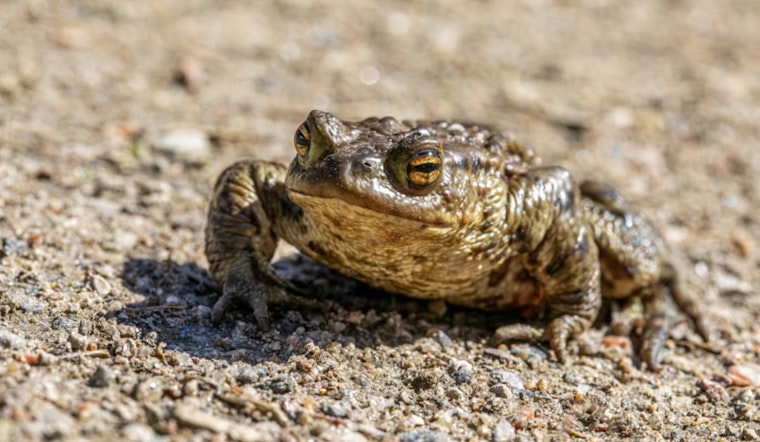
In a quiet patch of marsh in Nye County, a toad the size of a child’s palm has just pulled the federal government a little deeper into Nevada’s water wars.
The Railroad Valley toad, which lives only in a single spring-fed wetland in Railroad Valley, moved a step closer to Endangered Species Act protections after conservationists and federal officials hammered out a legal agreement that locks in a schedule for a listing decision. For environmental advocates, this is not just about one obscure amphibian. They argue the species is an early alarm bell for groundwater-fed wetlands across Nevada, warning that nearby oil, gas and mineral projects could drain or contaminate the springs that keep the toad alive unless federal protections limit or reshape that development.
As reported by KLAS, the U.S. Fish and Wildlife Service has agreed to a timetable that requires a final decision by May 31, 2028 on whether to list the Railroad Valley toad under the Endangered Species Act. Patrick Donnelly of the Center for Biological Diversity told the station the toad "is a one-of-a-kind symbol of the Great Basin’s biodiversity," and said the agreement brings the species "a step closer to the protections it so badly needs."
Federal timeline and lawsuit
According to the Federal Register, the Fish and Wildlife Service issued a 90-day finding on January 25, 2024, concluding that listing the Railroad Valley toad "may be warranted" and launching a full status review. When the agency failed to publish the required 12-month finding, the Center for Biological Diversity sued in May 2025 to force a decision.
The species’ biology helps explain why advocates pushed the issue into court. The Bureau of Land Management notes in its project review that the Railroad Valley toad is confined to a spring-fed wetland complex at Locke’s Ranch and that its known range is extremely small. With the population clustered around just a handful of seeps and springs, even modest changes in groundwater levels or water quality tied to nearby development could hit the species hard.
Development pressures and water risk
Reporting by E&E News details how proposed Bureau of Land Management land sales and ongoing leasing in Railroad Valley have alarmed conservation groups. They warn that oil, gas and mineral operations could damage or dry out the wetlands that keep the toad’s habitat functioning. Environmental review documents for a 2025 mineral exploration proposal describe a relatively small surface disturbance but flag concerns about cumulative groundwater drawdown when that project is combined with other pumping and extraction in the valley.
What a federal listing would do
A formal listing under the Endangered Species Act would flip on a series of federal safeguards for the Railroad Valley toad and its habitat. Any project that might affect the species or its wetland home would face review under Section 7 of the act, and the Fish and Wildlife Service could designate critical habitat and limit activities that would "take" the toad, as outlined in the agency’s planning guidance. The Service’s IPaC project-planning tool, described by the Fish & Wildlife Service, explains how official species lists and consultations shape federal permitting, mitigation requirements and water-use decisions.
Conservation groups say the new schedule is a rare bit of breathing room for a species with no backup habitat. It gives scientists time to fill in data gaps while also putting legal pressure on the timeline so the process does not stall again. In a 2023 press release, the Center for Biological Diversity warned that "these small amphibians don’t have time for further delays," underscoring advocates’ push to lock in protections before development and groundwater pumping get too far ahead of the science.





