

























































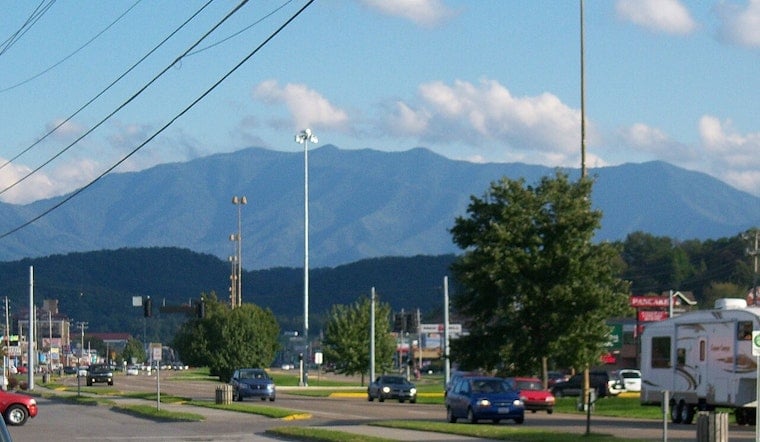
In Pigeon Forge, the tourists are not just here for the coasters and car shows; they are quietly helping keep the local tax bill in check. Across Sevier County, visitors poured nearly $3.93 billion into the local economy last year, a cash flood that officials say helps cover police, fire, and other core services so residents are not stuck carrying the full tax load. For a town with just over 6,000 year-round residents, that kind of outside spending translates into outsized public perks and serious tax relief for homeowners.
Sevier County officials report that visitors spent exactly $3,929,693,370 in 2024, which generated roughly $251.7 million in state tax revenue and $187.2 million in local taxes. Without that tourist-driven income, each household would be on the hook for about $11,191 more than they pay now, according to Sevier County. The county says those figures are based on data from Tourism Economics and the Tennessee Department of Tourist Development.
That local haul fits inside a much bigger statewide wave of travel spending. The Tennessee Department of Tourist Development says visitors dropped $31.7 billion directly into Tennessee in 2024, generating about $3.3 billion in combined state and local tax receipts from travel. Officials say that money helps fund schools, roads, and public safety in all 95 counties, according to the department's statewide release.
Where The Money Goes
"The tax revenue that our guests bring in helps us immensely," Pigeon Forge Tourism Director Leon Downey told WATE. He said strong sales tax collections allow the city to keep property taxes lower while still paying for infrastructure, police, fire and other emergency services. County leaders point to both big capital projects and day to day operations, from road repairs to classroom costs and emergency staffing, as direct beneficiaries of visitor-generated revenue.
Tiny Town, Giant Tourist Load
Pigeon Forge may feel like a small town most weekdays, and it is on paper. The U.S. Census estimates roughly 6,400 residents live in the city. The visitor count tells a different story. Nearby Great Smoky Mountains National Park recorded just over 12 million visits in 2024, a staggering gap that helps explain how a modest resident base can support beefed-up public services when tourist spending is strong, according to U.S. Census Bureau QuickFacts and the National Park Service.
Events That Keep The Cash Flowing
Big events help keep the turnstiles spinning and the tax receipts healthy. The Spring Rod Run is set to roll back into the LeConte Center and along the Parkway from April 16 through 18, drawing thousands of cars and spectators and filling up hotel rooms and restaurant tables, according to Pigeon Forge's event calendar. Downey told WATE that major attractions such as Dollywood often "set the pressure gauge" for how busy the entire Smokies market will be in a given season.
Local and state leaders are quick to point out both the upside and the risk that come with relying heavily on tourism. Visitor spending broadens the tax base and pays for services that residents use every day, but those revenues can wobble with bad weather or shifting travel trends. The National Park Service recorded park closures and disruptions after Hurricane Helene in recent seasons, a reminder that even a dependable tourist machine can stall. For now, officials are holding up the 2024 numbers as evidence that visitor spending is still pulling its weight and helping fund essential services without dumping those costs onto local homeowners, according to the Tennessee Department of Tourist Development.




