

























































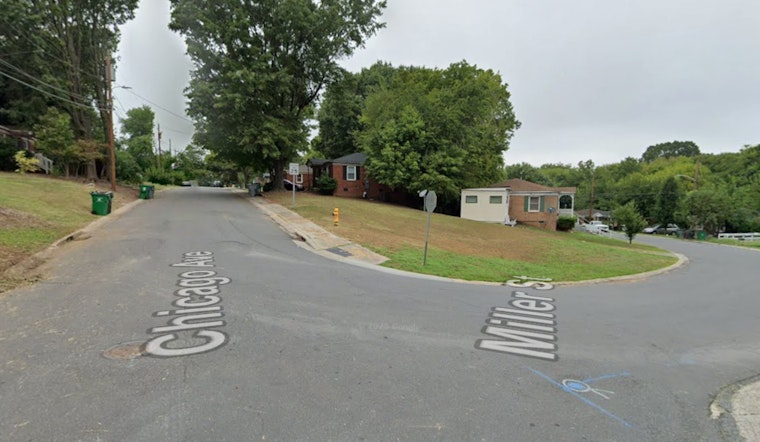
State environmental regulators are widening their investigation into possible landfill contamination to include homes near Southside Park, the green space that quietly sits atop an old unlined landfill. After earlier sampling at the park turned up elevated metal concentrations, the North Carolina Department of Environmental Quality is moving door to door along Chicago Avenue and Miller Street. Officials insist there is no sign of an immediate health threat, but neighbors say they want straight answers about what long term exposure could mean for their families.
State to sample nearby homes
According to WSOC, NCDEQ plans to test 16 homes on Chicago Avenue and Miller Street and has asked property owners to sign off on site evaluations. NCDEQ spokesperson Katherine Lucas told the station there is "no indication of an immediate risk to residents" and said initial soil vapor sampling did not identify indoor air concerns. Channel 9 reported that field crews could collect soil samples, run soil vapor tests and install temporary or permanent monitoring wells if investigators decide they are needed.
Park testing found elevated lead and cobalt
State documents and contractor reports show that lead and cobalt were the main drivers behind the exceedances. Composite soil sampling documented several grids above EPA residential screening levels and highlighted multiple locations where there was less than 12 inches of clean soil cover over buried waste. The remedial investigation report and maps also show landfill waste encountered near Chicago Avenue and Toomey Avenue, with additional delineation in progress to determine whether impacts reach properties near Miller Street, according to NCDEQ.
Neighbors push for answers
Reporters canvassed the 16 properties slated for testing and met residents who said they had long known about the park’s past life as a dumping ground. Michael Cobb told WSOC he is "confident the state will get to the bottom of it," even as others described the park closure and wait for test results as a major disruption to neighborhood routines and kids’ outdoor play.
Next steps and public review
NCDEQ’s project page states that the agency will continue waste delineation borings, groundwater monitoring and soil gas monitoring, then use those findings to prepare a Draft Remedial Action Plan. That plan would be posted for public comment before any cleanup remedy is chosen. The department also lists a Pre Regulatory Landfill Program project manager and contact details for residents with questions and says the community will be notified as validated results are released, according to NCDEQ.
Because testing on private property requires owner consent, officials say data collection could stretch from weeks into months. In the meantime, residents say they plan to keep pressing county and state leaders for transparency. Additional community briefings are expected, and agencies will post investigation reports and findings as they are finalized.



