

























































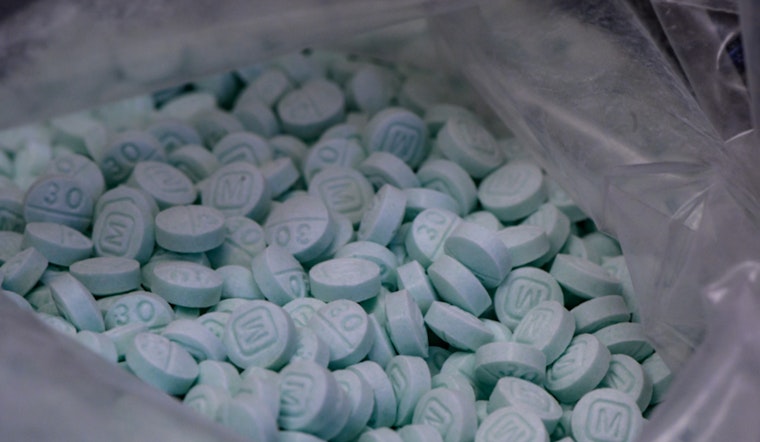
A covert mail pipeline that moved roughly 200,000 fentanyl pills into Minnesota, including shipments headed for the Fond du Lac Indian Reservation, has ended with seven people sentenced in federal court. Prosecutors say the trafficking ring ran from the summer of 2022 to the summer of 2023, using toys and everyday household items to disguise multi-pound loads of fentanyl. U.S. District Judge Michael J. Davis handed down sentences that ranged from time served to more than ten years in prison.
How federal agents say they cracked the case
According to a press release from the U.S. Attorney's Office, District of Minnesota, U.S. Attorney Daniel N. Rosen said seven defendants were part of a network that funneled hundreds of thousands of fentanyl pills into the state. Investigators seized about 200,000 pills, which the release notes contained more than 14 kilograms of fentanyl, along with four firearms and thousands of dollars in cash.
"As a direct result of this investigation, DEA and our law enforcement partners across the region prevented thousands of deadly doses of fentanyl from hitting the streets," DEA Omaha Field Division Special Agent in Charge Dustin Gillespie said in the release.
The alleged cross-country route and local distribution
As reported by WDIO, officers allege that Latre Lamont Anderson, Rozell Antonio Grainger, and Issac Oneal Maiden traveled from Minneapolis to Phoenix to pick up multi-pound quantities of fentanyl, then mailed the pills back to Twin Cities addresses hidden inside toys and other household goods. From there, according to authorities, packages were broken down and passed through a network of local dealers, with some defendants serving as suppliers and others helping with distribution on the ground.
The investigation involved a long roster of agencies, including the DEA, the United States Postal Inspection Service, the ATF, the Minnesota Bureau of Criminal Apprehension, the Saint Paul Police Department, and multiple local partners that helped track the shipments and tie them to the defendants.
Who got what time
The case was prosecuted by Assistant U.S. Attorney Thomas M. Hollenhorst, according to the U.S. Attorney's Office, District of Minnesota, and Judge Davis imposed the sentences over the past several weeks.
Per the U.S. Attorney’s Office, Latre Lamont Anderson and Issac Oneal Maiden each received 156 months in prison. Rozell Antonio Grainger was sentenced to 120 months. Jeremy James Nelson-Caban Jr. was given 36 months. Olivia Martineau-Johns received a nine-month sentence, while Jacquez O’Neal Fondern and Khianna Rose Clark-Strong were each sentenced to time served. Most of the defendants will also serve terms of supervised release after leaving prison.
"These sentences hold the defendants accountable and send a clear message that those who profit from addiction and violence will face consequences," Acting ATF Special Agent in Charge Joseph Persails said in the release.
A snapshot of a broader fentanyl surge
The case lands in the middle of a sharp regional spike in fentanyl pill trafficking. The DEA’s Omaha Division reported an 83 percent increase in fentanyl pill seizures in 2023 and said Minnesota saw the biggest jump, with more than 417,000 pills seized that year. Against that backdrop, federal and local agencies have leaned heavily into mail-interdiction strategies and multi-agency task forces, arguing that even relatively small parcels can contain lethal quantities that move quickly from major supply hubs to smaller communities and tribal lands.



