

























































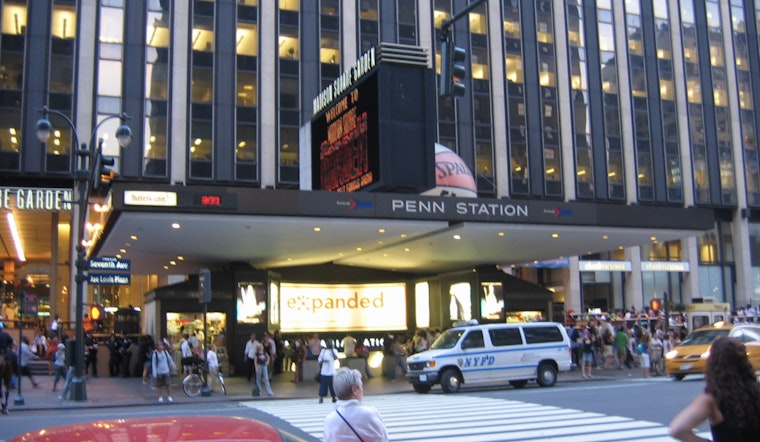
Andy Byford, the British rail executive overseeing Amtrak’s effort to remake Penn Station, has signaled he will consider proposals that extend beyond the station’s footprint, keeping the door open to private real estate tie-ins that watchdogs warn could saddle taxpayers. That stance is sharpening scrutiny just as federal officials and Amtrak race to pick a master developer and aim to begin construction by the end of 2027.
Shortlist and schedule
The U.S. Department of Transportation has put roughly $43 million on the table to jump-start procurement and set an aggressive schedule that calls for construction to begin by the end of 2027, according to the U.S. Department of Transportation. The total rebuild has been projected in the neighborhood of $7 billion, as AP has noted.
Who’s bidding
Amtrak has narrowed the field to three master-developer teams, Grand Penn Partners (Macquarie), Penn Forward Now (Fengate) and Penn Transformation Partners (Halmar), as listed in Amtrak's notice and in three consortia shortlisted in local coverage. Each bid pairs finance and construction firms with marquee design teams to pitch how the complex could be reimagined.
Watchdogs warn of repeat of Cuomo-era financing
Coverage of Amtrak’s documents shows Vornado Realty Trust, a landlord long tied to earlier Penn plans, listed as a partner on the Halmar-led bid, a detail that revived concerns about developer-backed financing, according to New York Focus. Good-government groups such as Reinvent Albany have repeatedly warned that prior schemes leaned on payments-in-lieu-of-taxes (PILOTs) and other mechanisms that shifted public risk onto taxpayers.
Funding model risks and rider costs
Advocates caution that the progressive public-private partnership model Amtrak is using can let private partners recover costs through “user fees” or other mechanisms, a risk explored in reporting by Gothamist. The outlet has also flagged questions about how much of the procurement and its financial assumptions have actually been visible to the public.
Amtrak’s procurement and transparency pledge
Amtrak says the selection is a two-phase procurement: a public letters-of-interest stage produced the shortlist, a formal RFP was issued to finalists in January, and proposals are due May 4, 2026. The railroad says it will publish a summary of proposals once the process concludes, according to Amtrak's FAQ. The FAQ also notes that roughly $53 million has been budgeted for early project development, most of it supported by an approximately $43 million FRA grant.
What’s next
Industry reporting says final proposals will be evaluated this spring and Amtrak aims to pick a master developer by the end of May, before moving into NEPA and preliminary design work through 2027 and a planned construction start by year’s end, according to Progressive Railroading. For critics, the coming weeks will test whether officials lock down clear rules that bar off-site development giveaways and guarantee riders and taxpayers are not left paying hidden costs.



