

























































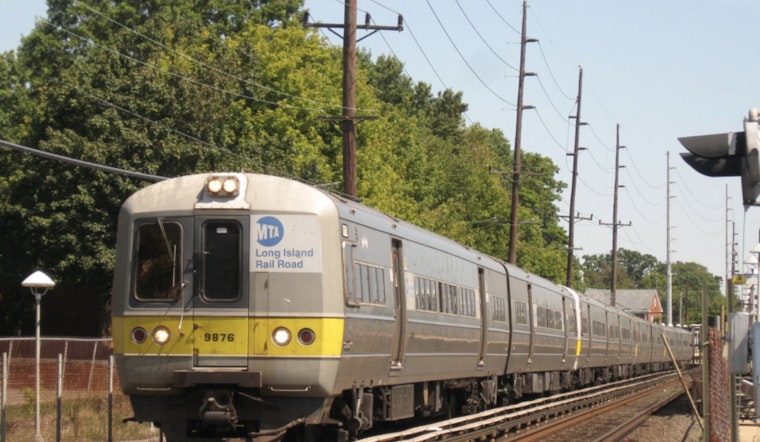
A federal board appointed by President Donald Trump has thrown its weight behind Long Island Rail Road unions, recommending wage hikes and retroactive pay while starting a 60-day cooling-off clock that runs out just as New Yorkers gear up for summer. If talks with the Metropolitan Transportation Authority fall apart, unions could walk off the job as soon as May 16, 2026, setting the stage for a commuter nightmare.
Presidential Emergency Board No. 254 issued its report on Monday, rejecting key pieces of the MTA’s proposed contract language and siding with the unions on pay and back pay, according to PIX11. The recommendation starts the federally required 60-day cooling-off period and, if the two sides cannot reach a new deal, would free unions to strike on May 16, 2026. The rail union coalition at the table includes the Brotherhood of Locomotive Engineers and Trainmen, the Brotherhood of Railroad Signalmen, the International Association of Machinists and Aerospace Workers, the International Brotherhood of Electrical Workers and the Transportation Communications Union, PIX11 reports.
Union leaders had previously asked the White House to appoint a presidential emergency board, a move that pushed back an earlier strike deadline, as reported by The Associated Press. The MTA had put a roughly 9.5% wage increase on the table, a package other unions agreed to, while the holdout LIRR unions have been pressing for higher raises they argue are necessary to maintain workers’ purchasing power. Any strike would hit hundreds of thousands of daily riders and send shockwaves through the region’s economy.
What the board recommended
PEB No. 254 came down in favor of raises and retroactive pay and rejected the broad changes to job rules and contract language that the MTA was seeking, according to PIX11. BLET Vice President Kevin Sexton told the outlet that “what we’ve been asking for since negotiations commenced more than two years ago is exceedingly reasonable, essentially the status quo.”
The board’s recommendations are advisory, not binding, but they instantly reset the balance of power at the bargaining table. With a favorable report in hand, union leaders gain political and legal leverage during a window when both sides know exactly how much time they have before a potential shutdown.
What happens next
The ruling starts a 60-day pause in which the unions and the MTA are expected to keep talking. If they do not reach a tentative contract by the end of that period, the unions would be legally allowed to strike on May 16, 2026. Federal law lets presidential emergency boards issue recommendations that carry heavy weight but no direct enforcement power, and once the cooling-off period ends, unions can move to strike unless another legal step interrupts the process.
In other words, there is now a very real deadline staring both sides in the face. Either negotiators hammer out a deal during this springtime truce, or riders could be dealing with suspended trains and jammed roads just as the weather turns nice.
MTA response and contingency planning
The MTA has pushed back on the unions’ description of the talks and continues to argue that its proposal is reasonable, even as it quietly plans for the worst, according to The Associated Press. Officials have outlined shuttle bus plans linking select LIRR stations to subway lines and say they will move to protect as much service as possible if trains stop running.
State leaders, meanwhile, are urging both sides to stay at the table while they look for ways to cushion riders from the fallout of any work stoppage. No one wants to own responsibility for a paralyzed commuter rail line heading into late spring.
Why it matters locally
A prolonged LIRR shutdown would ripple through Queens, Manhattan and Long Island, wrecking the routines of hundreds of thousands of commuters and squeezing businesses and schools that depend on weekday rail service. Hoodline has previously broken down what an LIRR walkout could look like, in coverage of the MTA’s past strike scare, which offers a useful preview of the kind of workaround plans that may resurface.
For now, riders are stuck watching the clock along with negotiators. The board’s decision has set clear stakes and a clear timeline, and the choice is straightforward, if not simple. Either the MTA and unions cut a deal during the cooling-off period, or New Yorkers could be facing serious travel chaos starting May 16, 2026. Both camps insist they want a negotiated peace, but with the deadline locked in, the region’s transit future just entered a very tense chapter.




