

























































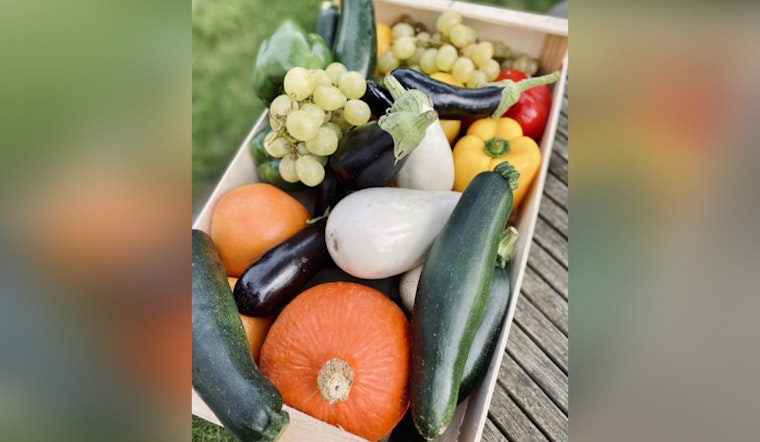
In North Tulsa, a small nonprofit is trying to flip chronic disease care on its head by sending patients to the farm instead of just the pharmacy. FreshRx Oklahoma, founded by Erin Martin, runs a yearlong produce-prescription program that delivers bi-weekly boxes of locally grown, regenerative produce and hands-on nutrition classes to low-income people with type 2 diabetes. The group says the result is a rare double win: major health gains for patients and a steady stream of dollars for Oklahoma farmers.
The early clinical numbers are the headline. At the end of its pilot year, 30 of 40 participants saw their A1C drop by an average of about 2.2 percentage points, and the broader project had logged 135 participants through September 2025, according to the USDA NIFA. The federal summary notes that FreshRx checks A1C, blood pressure and weight every three months and added on-site testing to tighten up the data. Those metrics are the backbone of the nonprofit’s pitch to health plans and policy makers who want proof that “food as medicine” is more than a slogan.
FreshRx also leans hard on the economic story. Oklahoma Complete Health said in a December 2025 announcement that every $1 invested in the model returns about $1.70 to the local economy, with the program tied to millions in projected healthcare system savings, according to Oklahoma Complete Health. The Centene-owned Medicaid plan is enrolling eligible SoonerSelect members in a yearlong FreshRx rollout that combines those bi-weekly produce boxes with cooking classes and quarterly clinical check-ins. Health-plan leaders say the real test is whether they can connect clear outcomes to local purchasing in a way that makes long-term reimbursement pencil out.
How the program works
Clinics screen and refer low-income patients with uncontrolled type 2 diabetes, and FreshRx handles the rest, filling and distributing nutrient-dense produce boxes every two weeks and offering cooking demonstrations plus short nutrition videos, according to FreshRx Oklahoma. The nonprofit says it buys exclusively from small regenerative farms in Oklahoma and hires from the community for distribution and education roles. Staff also help participants navigate benefits and arrange delivery when getting to a pickup site would stand in the way of those weekly greens.
Policy momentum and partnerships
State policy is starting to line up behind this kind of model. Oklahoma’s Food Is Medicine Act (SB806), enacted in 2025, directs the Oklahoma Health Care Authority to seek federal approval to expand Medicaid nutrition supports and explicitly prioritizes community-based organizations and local growers, according to the bill summary from the Oklahoma Legislature. FreshRx leaders say that kind of legislative tailwind has opened doors: Erin Martin told Oklahoma Farm Report she recently briefed Health and Human Services Secretary Robert F. Kennedy Jr. and Agriculture Secretary Brooke Rollins on how the program links regenerative agriculture to diabetes care. Advocates argue that pairing real-world data with policy support will decide whether produce prescriptions stay boutique or scale.
Where to hear more
For those who want to dig deeper, Martin is slated to speak at Think Regeneration’s Advancing Food Is Medicine conference in Edmond on Oct. 20–21, 2026, an event organizers say is designed to put farmers, clinicians and policy makers in the same room to grow local Food-is-Medicine efforts. The event listing names The Springs in Edmond as the venue and notes that early-bird registration runs through July 31, 2026, according to Think Regeneration. Organizers say farmers and ranchers can attend at no cost through OCIA and USDA support, a nod to the program’s farm-to-health DNA.
Back home in Tulsa, supporters say FreshRx’s mix of clinic-level results and a local procurement strategy is building a rare kind of business case for steering some healthcare dollars directly into healthy food. “If we have people with the worst health outcomes, we need to give them the best food possible,” Martin told Oklahoma Farm Report, a line her team uses often when courting payers and public programs. As FreshRx deepens its partnerships with health plans, all eyes will be on whether those early A1C drops and projected savings translate into durable funding that keeps both patients and producers in better shape.





