

























































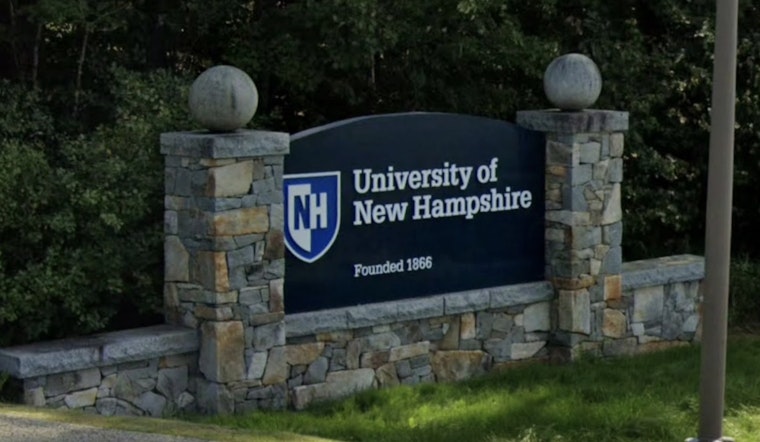
A new student-run survey at the University of New Hampshire has turned into a political headache for supporters of a state bill that would limit colleges' power to ban guns on campus. Of the 2,361 students who responded, roughly 86% said they would be less likely to enroll if the measure passes, and more than 81% said they strongly oppose the change. The numbers have quickly become a touchstone in the debate over HB 1793 as it moves through the Legislature, and student leaders say the data may give them fresh leverage with the senators now holding the bill's fate.
The UNH Student Senate survey found that 85.9% of respondents would be less likely to enroll if HB 1793 were enacted, while just 3.9% said they would be more likely to enroll and 7.8% said it would make no difference, according to Seacoast Online. The poll also showed 81.8% of respondents strongly opposed the bill and 10.8% strongly supported it. Student leaders said they designed the survey to document how a change in state law and campus policy could ripple through recruitment and retention.
House Bill 1793, introduced by Rep. Samuel Farrington, a UNH student, would bar public colleges from prohibiting the possession or carrying of firearms and non-lethal weapons on campus. The New Hampshire House passed the bill on a 188-165 vote earlier this month, according to the Concord Monitor. Supporters argue the measure protects adults' rights to carry, while opponents say it strips campus leaders of tools they rely on to manage safety.
UNH officials say the university's long-standing policy bans firearms on its Durham, Concord and Manchester core campuses and that the rule is intended to support "community safety." In an update from the president's office, the university said its policy remains in effect while the bill is pending and promised to communicate any changes if HB 1793 becomes law, according to UNH Leadership. Administrators and campus police have said that adding armed civilians to campus communities would change how officers respond in life-or-death situations.
The University System of New Hampshire's written policy currently bans the "use and possession of all firearms" on Durham, Concord and Manchester core campuses, while allowing the chief of the university police to grant written permission for weapons in instructional or other special circumstances, per the system policy. Violations are subject to legal and administrative action under the policy, which appears in the USNH online policy manual. That existing rule is one reason student leaders framed their survey as a way to show how a change in state law could alter campus life and enrollment.
Student Senate Vice President Ben Doyle shared the survey findings with university administrators on March 13, student leaders say, aiming to get the university's attention before any Senate action, according to Seacoast Online. Organizers say they hope hard numbers will reshape what lawmakers hear in Concord and underline potential enrollment consequences if HB 1793 becomes permanent law.
What the Bill Would Do and the Risks
HB 1793's text would prevent public institutions from adopting rules that restrict possession, carry, storage or lawful use of firearms and certain non-lethal weapons on campus, and it creates a private right of action that allows aggrieved individuals to sue institutions for injunctive relief and damages, including a statutory minimum award, according to the bill text and legislative analysis. The legislative file cites Castle Rock v. Gonzales and warns that the measure could raise insurance costs and force campuses to invest in storage, training and other risk-mitigation efforts, per the legislative record. LegiScan carries the full bill text and fiscal note.
Students and Safety
Student testimony at public hearings has been split. Some students say carrying rights are essential for self-defense, while others say the presence of firearms in crowded dorms and classrooms is frightening. The fight over HB 1793 has sparked walkouts, petitions and public hearings as campuses wrestle with whether such a law would make them safer or more dangerous, as reported by NHPR. For many students, the new survey crystallizes a broader fear that campus life, not just a line in the policy manual, could shift dramatically if the law is enacted.
What Comes Next
With the House vote complete, HB 1793 now awaits action in the State Senate, and UNH leaders say they expect hearings in the coming weeks. The university has said it will keep the campus community informed and that any change in state law would trigger internal discussions about how to balance individual rights and campus safety, according to UNH Leadership. In the meantime, student organizers are using the survey results to press their case directly with local lawmakers.
The Student Senate poll offers a blunt snapshot of campus sentiment that senators in Concord will find difficult to ignore. If HB 1793 advances, the question of whether universities or the Legislature should set the rules for campus safety is likely to be one of the first items on the fall agenda for higher-education leaders and state lawmakers.





