

























































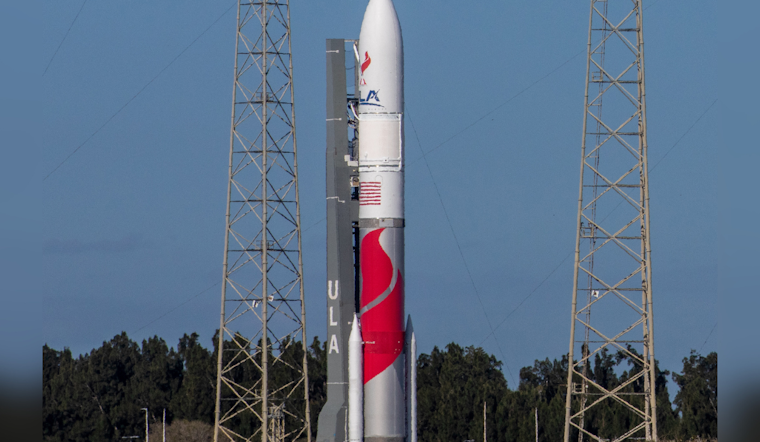
The U.S. Space Force has yanked a high-priority GPS mission away from United Launch Alliance’s Vulcan Centaur and handed it to a SpaceX Falcon 9, after recurring hardware issues on Vulcan’s solid boosters rattled confidence. The GPS III‑8 satellite is now slated to lift off no earlier than late April from Space Launch Complex 40 at Cape Canaveral, while ULA leans on its workhorse Atlas V for near‑term Amazon LEO missions from SLC‑41. The reshuffle signals how far the military is willing to go to keep critical navigation satellites arriving on time while Vulcan stays under the microscope.
“Our commitment to keeping things flexible – programmatically and contractually – means that we can pivot when necessary to changing circumstances,” Col. Ryan Hiserote, the Space Force System Delta 80 commander and NSSL program director, said about the switch, according to Spaceflight Now. Moving the GPS mission off Vulcan lets the service press ULA to finish its anomaly probe while still keeping the GPS program on a tight delivery schedule.
Why the Space Force Pulled the Plug
Investigators have traced two separate solid‑rocket‑booster nozzle anomalies to Vulcan flights, first on a 2024 certification mission and again on the Feb. 12, 2026 USSF‑87 launch. That repeat problem prompted the Space Force to pause Vulcan national‑security missions until fixes are fully validated, according to reporting from Breaking Defense and Space.com. ULA’s core engines were able to compensate, and the affected missions reached orbit, but officials say they want rock‑solid confidence in the root‑cause fix before putting the rocket back on the highest‑value manifest, which is what ultimately drove the move to Falcon 9.
ULA Pivots to Atlas V for Amazon Launches
To keep commercial customers on track, ULA is turning to its remaining Atlas V inventory for Amazon’s Kuiper, now branded Amazon LEO, satellite batches. Those flights typically carry about 27 satellites per launch, as detailed on Amazon’s project updates and in coverage by About Amazon and NASASpaceFlight. Manifest notices show ULA will send an Atlas V off SLC‑41 for an imminent Amazon LEO batch, then follow with another Atlas V later this spring. The back‑to‑back Atlas runs are a temporary bridge that helps Amazon hit deployment goals while Vulcan works toward a steady launch cadence for national‑security payloads.
Backlog, Contracts and the Bigger Picture
The whole juggling act is playing out against a crowded National Security Space Launch Phase 2 lineup and a jam‑packed range schedule. The Space Force spread Phase 2 missions across providers to balance launch system maturity and capacity, according to SpaceNews, while the GAO has warned that surging launch demand is already straining range and processing infrastructure. With Atlas V nearing retirement and Vulcan on pause for high‑value missions, both the government and industry are being forced into tough choices about which payloads get priority and which rockets they ride.
For ULA, the immediate task is to prove its corrective actions so Vulcan can return to the national‑security roster. For the Space Force, the mission is to keep critical orbital capabilities online without taking on unacceptable launch risk. Recent reporting indicates Vulcan will not be restored to high‑value NSSL flights until investigators and ULA demonstrate the anomaly is fully resolved, and some missions have already been reassigned to protect delivery timelines, as noted by Space.com and the Orlando Sentinel. Expect more updates from Space Systems Command and ULA as the investigation wraps and the April launch window draws closer.



_(cropped_2).jpg)