

























































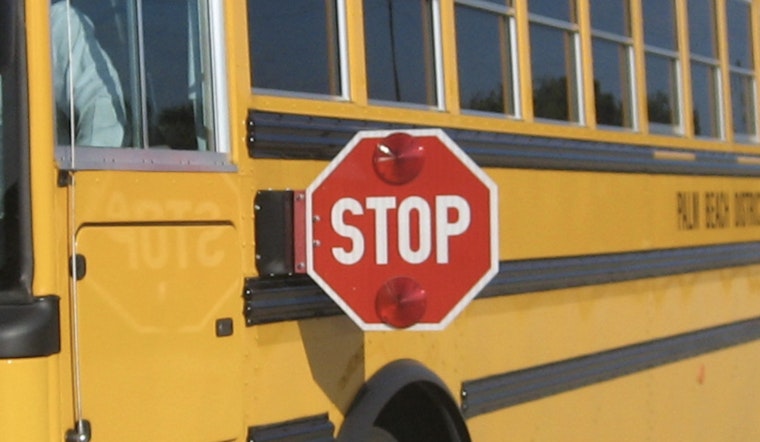
Wake County school leaders are gearing up for a deeper dive into automated traffic enforcement around students, from speed cameras in school zones to the cameras that catch drivers blowing past stopped buses. The district's policy committee is set to get an update Tuesday as officials consider whether to pair newly authorized school-zone speed cameras with the stop-arm camera program that is already being installed on buses.
Neal Ramey, an attorney with Tharrington Smith who advises the board, is scheduled to present research on both systems and walk committee members through remaining legal and practical questions. The district currently operates 27 stop-arm cameras and is moving to add five more, according to WRAL.
What the new state law allows
In 2025 the General Assembly approved a Department of Transportation omnibus measure, Senate Bill 391, that explicitly authorizes "electronic speed-measuring systems" for enforcement in school zones and sets technical and notice requirements. As outlined by the North Carolina General Assembly, violations detected by those systems are civil rather than criminal, carry a $250 penalty, do not result in license points, and require department approval plus conspicuous advance signage if devices are on NCDOT right-of-way.
Stop-arm cameras aren't new
Automated systems that photograph drivers who illegally pass stopped school buses have been in state law for years and are already used to generate evidence for citations. State bus-safety resources detail how stop-arm systems capture images, GPS and other data that law enforcement reviews before issuing citations, as explained by NC Bus Safety.
What Wake leaders will weigh
Board members will have to balance potential safety gains against equipment and operating costs, privacy questions and the practical challenges of picking camera locations and posting required warning signs. The district has not committed to installing school-zone speed cameras, and officials say per-camera costs remain unclear, according to WRAL. A recent solicitation for stop-arm hardware and services shows Wake is actively expanding its bus-camera program, per a posting on BidNet.
Legal implications
If the board moves forward with school-zone cameras, local governments must adopt ordinances to create the civil enforcement process and provide nonjudicial administrative hearings. The enacted DOT omnibus law also designates who may be held responsible for a violation and outlines the notice and appeal process, as described by the North Carolina General Assembly.
What to watch next
The policy committee briefing Tuesday is expected to clarify cost estimates, siting criteria and whether the board will recommend a pilot program or a formal ordinance. Parents and drivers looking for specifics can track the board packet and local coverage for any recommended next steps.





