

























































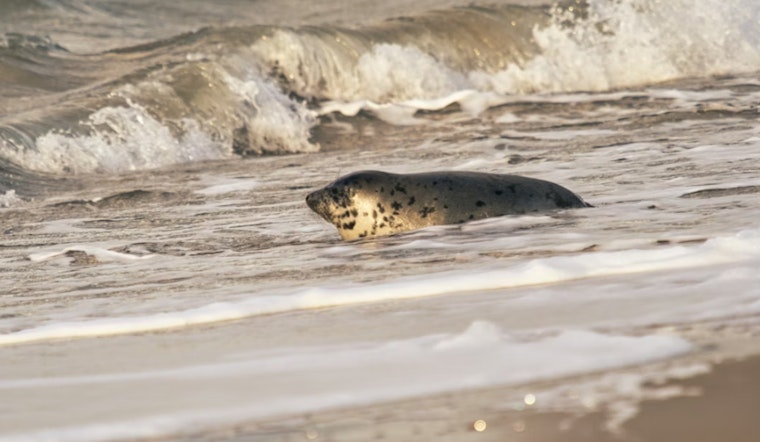
Volusia County is used to tourists, but not usually the whiskered, cold‑water kind.
A harbor seal briefly hauled out on a sandbar in Mosquito Lagoon on Monday, roughly five miles south of Ponce Inlet. Personnel from Hubbs‑SeaWorld Research Institute (HSWRI) who responded identified the animal as a harbor seal, photographed it and judged it to be in good health before it slipped back into the water. Responders reported no obvious injuries, and the seal has not been seen since.
According to WFTS Tampa Bay, HSWRI received the initial report, located the animal and collected photographic documentation while evaluating its condition. The station described the visit as an extremely rare occurrence for Florida and noted that responders were able to leave the seal undisturbed once it re‑entered the water. HSWRI asked residents to report any new sightings so trained teams can decide whether intervention is needed.
How unusual is this?
WESH notes that harbor seals typically range from the mid‑Atlantic United States to the Canadian Arctic and rarely travel south of North Carolina, which is why strandings in Florida attract attention. The outlet reported that HSWRI believes there have been only two prior harbor seal strandings in Florida over the past 20 years. For now, responders treat these animals as out‑of‑range visitors rather than evidence of an established local population.
Why might a northern seal show up here?
Marine biologists say individual seals sometimes end up far from their normal range after storms, as juveniles exploring new waters, or as disoriented vagrants. A lone harbor seal in Beaufort, North Carolina, last year prompted researchers to consider whether population recovery or shifting conditions are changing where seals appear, Coastal Review reported. Until more data accumulate, stranding teams will continue to monitor and document these rare visitors.
If you spot a seal: what to do
If you see the animal again, call Florida’s stranding hotline at 1‑888‑404‑3922 so trained responders can assess the situation, WFTS Tampa Bay advises. Stay at least 100 yards (300 feet) away, keep dogs leashed, and do not touch, feed or move the animal; marine mammals are protected under the Marine Mammal Protection Act, according to NOAA Fisheries. Photos or videos taken from a safe distance can help responders confirm a sighting without stressing the animal.
Hubbs‑SeaWorld Research Institute runs a Florida stranding response program and participates in the regional Marine Mammal Health and Stranding Response Network, HSWRI materials show. The brief Mosquito Lagoon cameo is a reminder that coastal waters sometimes deliver surprises and that public patience and quick reporting help protect both animals and people.





