

























































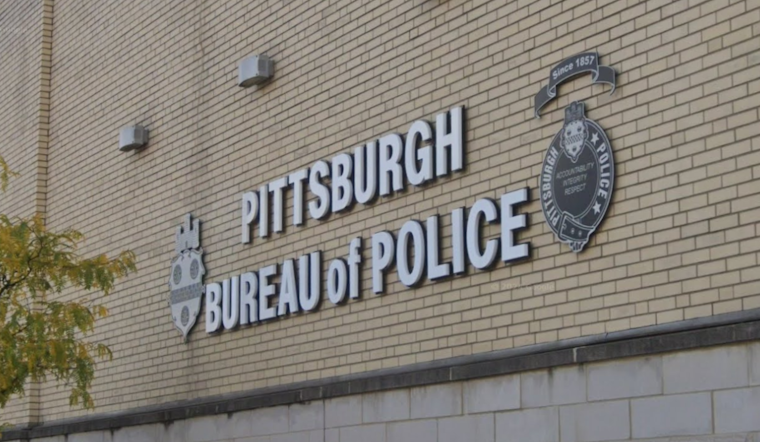
A new federal lawsuit is putting a harsh spotlight on Pittsburgh police, alleging officers shocked a 24-year-old autistic man with a Taser and hauled him off in cuffs for no legitimate reason during a February 22, 2024, encounter at his aunt’s home in the West End.
The complaint says officers took the man to the ground on the porch, pressed a knee into his back, and used a stun device before he was transported to UPMC Mercy for treatment. It names the City of Pittsburgh Police Bureau and four officers as defendants and seeks damages for excessive force and a slate of alleged constitutional violations. Attorneys for the plaintiff say they want not only accountability for what happened on that porch, but also stronger training for officers who respond to calls involving neurodivergent residents.
What the Lawsuit Says
The federal complaint, filed in Pittsburgh on February 20, identifies the plaintiff as Kevin Matthew Dunn. According to TribLIVE, the suit names Officers Seth A. Tessmer, Jordan M. Price, Anthony F. Rosato, and Commander Raymond Rippole, and alleges they surrounded Dunn on his aunt’s porch, wrestled him to the ground, and then deployed a Taser.
The complaint lists claims that include excessive force, unconstitutional seizure, unlawful arrest, and false imprisonment. It argues that the Pittsburgh Bureau of Police failed to properly train and supervise officers on when and how to use Tasers and how to de-escalate encounters with people on the autism spectrum.
The filing labels Dunn’s detention a “manifest miscarriage of justice” and alleges that neighbors informed officers after the incident that Dunn is autistic. It claims one officer knelt on his back while others shocked him with the Taser and notes that no criminal charges were ever filed against Dunn.
Plaintiffs’ attorney James Tallman, as reported by TribLIVE, said the encounter was terrifying and continues to affect his client. He argues that the confrontation was the predictable result of insufficient training for calls involving neurodivergent community members.
Context: The City’s Recent Taser Controversies
The lawsuit lands while Pittsburgh is still dealing with the fallout from high-profile incidents involving Tasers. In 2021, Jim Rogers died after officers repeatedly stunned him during an arrest, and his family later reached a reported 8 million dollar settlement with the city. Coverage by WESA notes that the Rogers case fueled demands for clearer rules on when officers can deploy Tasers and how quickly they must secure medical care once force is used.
Civil-rights attorneys say that backdrop helps explain why the Dunn suit is framed not only as a bid for compensation, but also as a push for systemic changes to policy, training, and supervision around stun guns and crisis responses.
Legal Context
Dunn’s case follows a familiar legal route for police misconduct claims. Federal civil-rights suits like this typically proceed under 42 U.S.C. § 1983, which allows people to sue when they allege government officials, acting under color of law, violated their constitutional rights, including protections against unreasonable searches and seizures under the Fourth Amendment.
When a complaint goes beyond individual officers and accuses a city of failing to train or supervise its force, plaintiffs are trying to show that a broader policy, custom, or pattern led to the alleged violation, not just a one-off bad call. For readers who want a primer on how those claims work, Cornell Law School offers a useful overview of Section 1983.
What Comes Next
The case will now work its way through the federal court system, a process that can be slow and document-heavy. During discovery, the parties can seek body camera footage, training materials, and internal records that may either bolster the lawsuit or help the city defend the officers’ actions.
If the filing draws attention to anything like the Rogers case, city officials and police union leaders could once again be pressed to explain how officers are trained, supervised, and disciplined around use-of-force incidents. After the Rogers settlement, local reporting detailed how information unearthed in litigation helped spur public debate over Taser policies and medical response protocols, according to WTAE.
The Dunn lawsuit says the 2024 encounter continues to shape his daily life and seeks to hold both the officers and the bureau to account. Advocates and legal observers will be watching closely to see whether this case becomes just another line in the city’s litigation history or a turning point in how Pittsburgh police handle calls involving autistic and other neurodivergent residents.





