

























































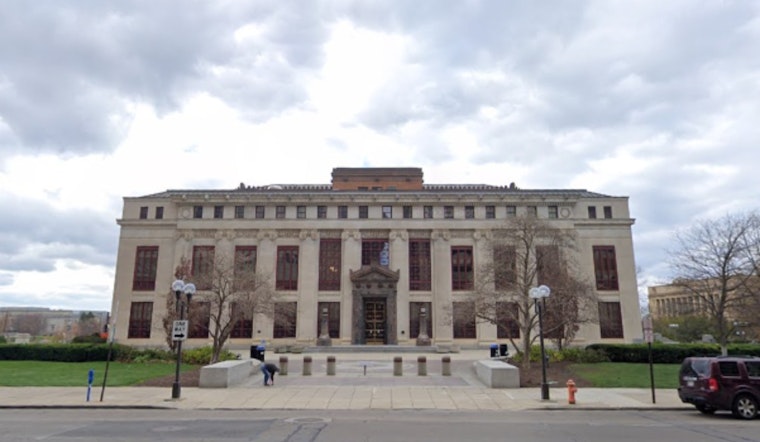
Whitehall officials are moving to tighten control over who can build detention facilities inside city limits, floating a new rule that would make would-be jail developers clear a much higher bar at City Hall. The proposal would require a special-use permit before any new detention-style facility could open, which means public scrutiny and a formal vote instead of a quiet warehouse conversion that neighbors hear about after the fact. City staff are adamant they are talking zoning and development, not taking a swing at federal immigration policy.
What Whitehall's proposal would do
Under the draft ordinance, anyone looking to construct or repurpose a building as a detention facility would first have to secure a special-use permit. That triggers planning staff review, public hearings and a final decision by Whitehall City Council instead of letting large, jail-style projects slide through as routine commercial uses.
Jackie Russell, the city’s economic development director, told The Columbus Dispatch that the change is meant “to protect city land for planned economic development” and was crafted to mirror a similar measure that Columbus City Council recently adopted. According to the Dispatch, Whitehall staff formally introduced the ordinance this week.
How Columbus shaped the move
Across the border in Columbus, city leaders have already moved on a broader package of code changes that includes a moratorium on new detention centers and tighter rules on federal immigration-enforcement activity. They have framed that legislation as a way to protect families and public spaces, according to WOSU.
Officials and advocates have pointed back to December’s “Operation Buckeye,” when federal enforcement activity spiked across central Ohio, as the moment that put detention facilities and immigration enforcement squarely on the local political agenda, WOSU reported.
Why Whitehall says it's about development
Even with Columbus’ high-profile move in the background, Whitehall leaders are sticking to an economic development script. As reported by The Columbus Dispatch, Russell said the special-use requirement is designed to preserve key parcels for commercial and mixed-use projects and to give the city a closer look at any proposal that would turn a warehouse into a secure facility.
City representatives did not single out Immigration and Customs Enforcement or any other federal agency when they rolled out the idea, according to the Dispatch, preferring to cast the change as one more tool to steer growth and land use.
Politics and legal questions
The local zoning tweak lands in the middle of a much bigger fight over who gets to draw the line on federal immigration enforcement. Legal scholars and state lawmakers have warned that city-level attempts to restrict federal activity can run headlong into state law. At the same time, Ohio legislators have introduced bills this session that would require local governments to cooperate more directly with federal immigration enforcement, according to WOSU.
Local coverage, including reporting on how council draws line on ICE near local schools, notes that the real test will be how these ordinances are enforced day to day. Advocates say those details will decide whether the new rules meaningfully constrain detention projects or leave federal operations largely untouched.
What to watch next
The proposed ordinance now heads into Whitehall’s usual planning and zoning pipeline, where it will be aired in public meetings before any final vote. Residents can track agendas and hearing dates through the city’s website. The City of Whitehall lists upcoming council and committee sessions where zoning changes are taken up, and staff say they will lay out more specifics as the review moves forward.
For the moment, Whitehall leaders are presenting the plan as a way to keep long-term development on course while giving elected officials more say over whether large, detention-style projects fit the city’s future. Advocates, neighbors and developers will be watching closely to see whether the measure meaningfully reshapes local planning or mostly mirrors the broader political battles already unfolding in Columbus and at the Statehouse.





