

























































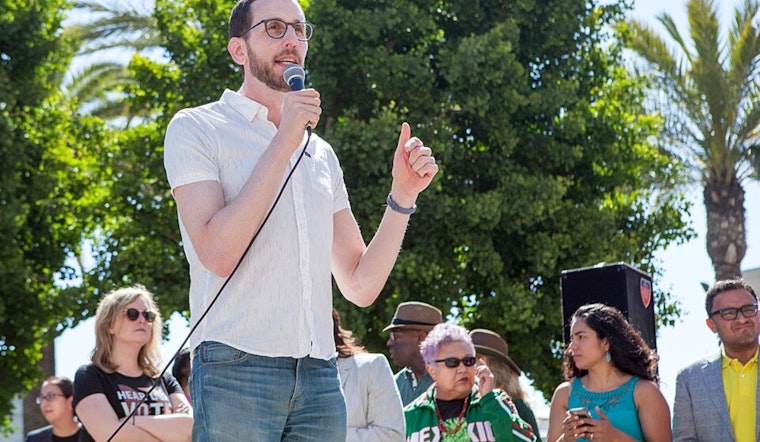
Scott Wiener, the San Francisco state senator running to replace Nancy Pelosi in Congress, is pitching a trillion-dollar housing moonshot that he says could finally move the needle on the country’s housing shortage and send fresh money to cities like San Francisco. Today, he rolled out a sweeping federal plan that asks Congress to put up roughly a trillion dollars to build millions of homes nationwide, pairing big public subsidies with cash rewards for cities that actually get housing built. It is now a central plank of his campaign as voters head toward the June primary.
What Wiener Is Proposing
According to Scott Wiener, the plan aims to add 8 million homes over the next decade. That includes a Mixed‑Income Social Housing Program intended to create 4 million permanently affordable units, along with a doubling of the Low‑Income Housing Tax Credit that his platform says would help produce roughly 3 million affordable homes over the same period. The platform also calls for expanded housing vouchers, stronger tenant and worker protections, and changes to federal program rules so that projects can move faster.
How He'd Pay And Reward Cities
Wiener proposes seeding a new National Housing Investment Fund with about $1.2 trillion and creating a Pro‑Housing Incentive Fund that would pay local jurisdictions $10,000 for every new unit they deliver, as reported by The Real Deal. His campaign estimates the full cost of wiping out the national housing shortage at roughly $2.8 trillion and says the federal share would be covered in part by reversing tax cuts signed under Presidents Bush and Trump.
“This is not about Congress taking over local land‑use,” Wiener told reporters. “It’s about providing financial incentives. If you’re building housing, you should get money for that, and real money so that cities have an incentive,” as quoted in The Real Deal.
How It Fits Into The National Debate
Wiener’s move comes as Congress is already wrestling with incentive‑driven approaches to boost housing supply. A bipartisan effort known as ROAD to Housing in the Senate focuses on grants and regulatory tweaks to spur new construction, according to The Washington Post. Wiener's package stands out by leaning much more heavily on direct federal investment and on a large social‑housing buildout, rather than relying mainly on rule changes.
Local Stakes And Political Timing
If Congress adopted anything close to Wiener's proposal, discretionary federal dollars would flow to cities that increase housing production, creating a direct payoff for jurisdictions that speed up permitting or update zoning to allow more homes. The congressional primary is scheduled for June 2, according to the California Secretary of State, and Wiener is already a prominent figure in San Francisco’s housing battles, as Hoodline has previously noted in its coverage of how he steamrolls Dem delegate vote.
Whether Congress is willing to entertain direct spending on the scale Wiener is pitching remains an open question. Other national proposals tend to prioritize regulatory changes and more targeted grants instead of one‑time trillion‑dollar funds. For San Francisco voters, his plan functions both as a promise of federal money and as a test of whether the city’s own permitting and zoning reforms can turn those incentives into actual apartments rather than just another big number in a campaign brochure.





