

























































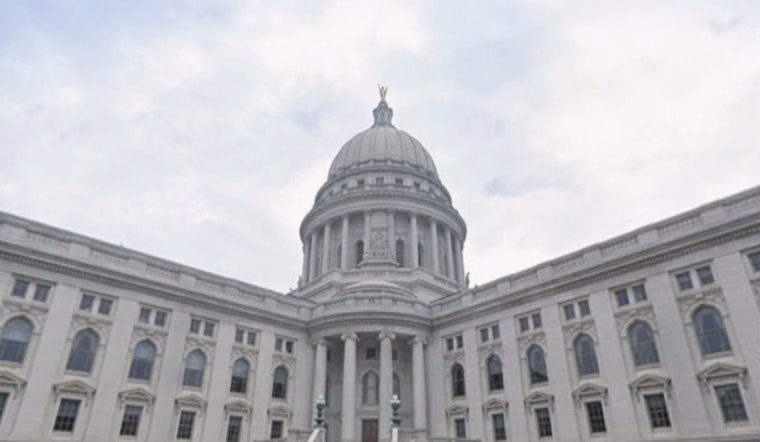
Three Wisconsin taxpayers are taking their own Legislature to court, accusing Republican leaders of quietly running up a massive tab for private attorneys on the public's dime. Their lawsuit, filed Feb. 19 in Dane County Circuit Court, claims the GOP-controlled Wisconsin State Assembly and State Senate have diverted more than $26 million in taxpayer money to outside law firms since 2017 in ways that violate the state Constitution. The suit names the Assembly, the Senate, Assembly Speaker Robin Vos, Senate Majority Leader Devin LeMahieu and members of the Joint Committee on Legislative Organization as defendants.
What the complaint says
The 43-page complaint was brought by three named taxpayers and filed by Madison-based nonprofit Law Forward. It alleges that legislative leaders have repeatedly hired private law firms even when the state Department of Justice was available to represent the government's interests. According to the Dane County complaint, those payments operate as "irregular appropriations" that let lawmakers steer money to legal fights without going through the usual budget and veto process.
The $26 million figure
The lawsuit leans on public reporting that has tracked the Legislature's use of private counsel, pointing to roughly $26 million in fees since 2017. As reported by the Milwaukee Journal Sentinel, the spending spiked after a 2018 lame-duck law granted legislative leaders broader authority to hire outside attorneys to represent the Legislature's interests.
Legal claims and next steps
The plaintiffs are asking for declaratory judgments and court orders that would block certain categories of outside-counsel spending unless lawmakers explicitly appropriate the money. According to the Dane County filing, they argue that current practices "violate the Wisconsin Constitution" by sidestepping normal appropriation rules and the governor's partial-veto power. The summons gives defendants 45 days to respond to the complaint. After that, the case is expected to move into discovery and motion practice, where judges could issue early rulings on questions of standing, appropriations and separation of powers that will determine how far state lawmakers can go when hiring private lawyers with public funds.





