

























































Osceola County school leaders are racing to keep their 1-to-1 laptop program afloat after vendors warned that an AI-driven squeeze on RAM could send replacement costs through the roof. Faced with a volatile memory market, the district is considering a temporary tweak to its vendor contract so it can adjust device prices as RAM costs jump around. The move would affect laptops used by roughly 80,000 students across the county.
As reported by ClickOrlando, the School District of Osceola County is expected to vote April 21 on updating its agreement with United Data Technologies (UDT), shifting from a fixed-pricing deal to an interim pricing setup. UDT told district officials that a low-end workforce laptop that cost about $225 in October 2025 could climb to more than $500 by October 2026, meaning the next replacement cycle could be far pricier than previous rounds. Local IT consultant Jorge Diaz told ClickOrlando that "AI needs a lot of RAM" and that large buyers are getting "first dibs" on memory, leaving school systems to pick through what is left.
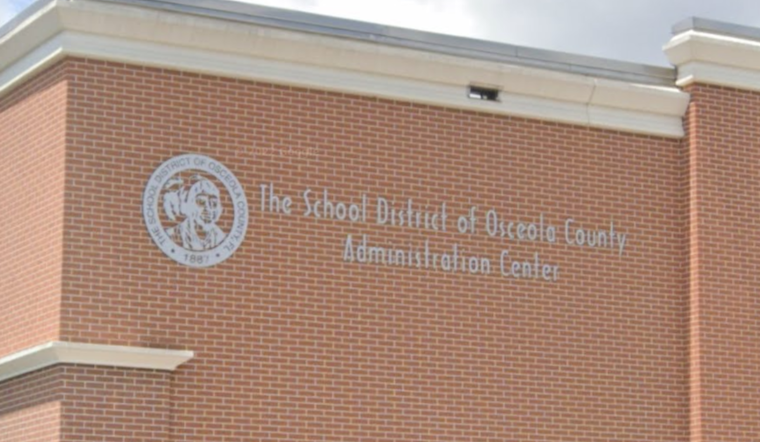
The district’s own website confirms that Osceola runs a 1-to-1 device program for an enrollment of 80,000 students, making replacement purchases a major budget line item, according to The School District of Osceola County. That scale is a big reason procurement staff told the board they are exploring more flexible pricing so the district does not overpay or get trapped in a long-term contract while memory prices spike and dip.
Why AI Is Gobbling Up the RAM Supply
Memory makers and market analysts say the crunch is not a passing headache but a structural shift: data center operators and AI training workloads are soaking up huge volumes of DRAM and high-bandwidth memory, leaving less capacity for consumer buyers and school districts, as Bloomberg reports. Micron and other manufacturers have warned that supplies could stay tight beyond 2026 as production is steered toward AI-grade modules, a trend reflected in industry coverage and earnings calls. That reallocation has driven retail RAM and full system prices sharply higher in recent months, producing plenty of sticker shock for both families and school systems.
How School Systems Are Trying To Cope
Districts caught in the same squeeze are testing a handful of strategies: placing larger bulk orders now, shifting to lower-RAM models for basic classroom work, stretching device life cycles by another year or two, or negotiating contracts that allow pricing to adjust with the market instead of locking in a single number. Local tech shops and analysts have urged institutional buyers to consider prebuilt systems and to lock in key components when they can, warning that waiting too long often means paying more later, according to reporting by Spectrum News 13. For school leaders, it all adds up to a familiar trade-off: give students modern, AI-capable devices or stretch already tight budgets as far as possible.
Osceola's Bigger AI Bet Raises the Stakes
Osceola has already been putting money into AI tools for back-office work, a move chronicled in April when the district chose to bet big on Samantha, an AI system woven into its operations. For additional context, the district also signed off on an AI enterprise platform earlier this month, a reminder that the local AI boom is not just about distant data centers but also about the day-to-day reality of school budgets.
The school board is scheduled to consider the contract update at its Tuesday meeting, which ClickOrlando says will convene at 5:30 p.m. The board typically meets in the district’s boardroom at the administrative offices at 817 Bill Beck Boulevard in Kissimmee, according to The School District of Osceola County. Trustees are expected to debate whether short-term pricing flexibility is worth the disruption, and how to balance classroom technology needs against an AI-shaped market that is driving up the cost of the humble RAM chip.





