

























































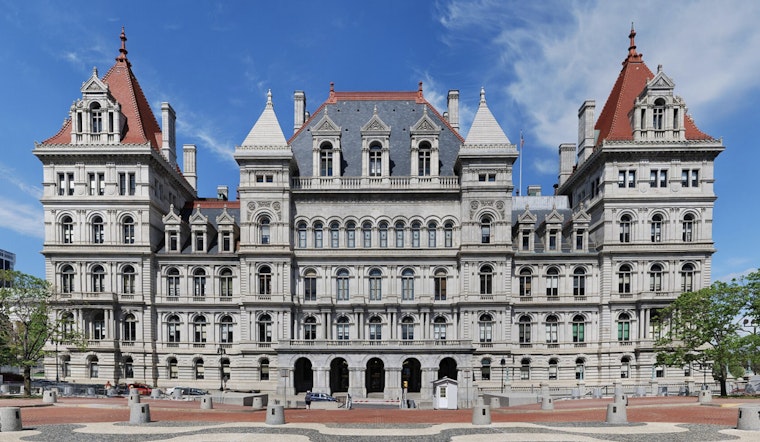
The Million Dollar Staircase turned into a pressure cooker on Monday as hundreds of advocates and lawmakers packed the New York State Capitol in Albany, demanding action on a three‑bill sentencing package. Backers say the Second Look Act, the Earned Time Act and the Marvin Mayfield Act would expand pathways home, protect rehabilitative credits that people earn inside and scrap mandatory minimums. The rally landed at a moment when public hearings and reporting have spotlighted violence and accountability failures in New York’s prisons, and organizers made clear they want that outrage translated into votes.
As reported by Spectrum News, demonstrators lined the Capitol’s iconic staircase while organizers walked through how each bill would reshape sentencing rules. Formerly incarcerated advocates stood shoulder to shoulder with lawmakers, using interviews, testimony and sometimes raw personal stories to argue for the package. Supporters framed the action as a direct attempt to turn long‑simmering concerns about prison conditions into concrete legislative change in Albany.
What the bills would do
The Second Look Act would let judges review and reconsider long or excessive sentences, allowing people who have served about 10 years or half of their term to apply for resentencing, according to the Communities Not Cages campaign. The Earned Time Act would expand and safeguard "good time" and merit‑time credits that people earn through programming and rehabilitation. The Marvin Mayfield Act would repeal mandatory minimums and the two‑ and three‑strike rules that advocates say have fueled mass incarceration. Organizers argue the package is designed to move New York away from what they call "warehouse" sentencing and toward reentry support and community investment.
Why advocates say this matters
Thomas Gant, a formerly incarcerated community organizer with the Center for Community Alternatives, told NCPR, "We are here because our loved ones are being brutalized, starved, isolated, and murdered at New York State prisons." Advocates point to high‑profile deaths behind bars and a report from Senator Julia Salazar that describes endemic violence and neglect, as detailed by Sen. Salazar’s office. Those findings and recent hearings have become regular reference points at rallies that call both for safety reforms inside and for more routes to release.
Lawmakers and the road ahead
Supporters have been circulating the bills in Albany to ratchet up pressure and have leaned on legal and policy organizations to summarize the proposals for legislators, as noted by the New York City Bar Association and in reporting by WAMC. Advocates are urging state leaders to move the measures during the 2026 session. Sponsors in both chambers have already filed the bills, which remain in committee. Any final deal would still have to clear the Assembly and Senate and land on the governor’s desk for a signature.
Legal implications
State bill text shows that the Marvin Mayfield Act would amend the penal law and criminal procedure law to eliminate mandatory minimum sentences, and the Senate’s public bill page for S.1209 lists the specific statutory sections that would be changed. Scrapping floor sentences is intended to curb prosecutorial leverage in plea bargaining and give judges more room to tailor punishment to individual circumstances. Legal advocates say those shifts are designed to reduce coerced pleas and to refocus sentencing on individualized judgments and rehabilitation rather than automatic penalties.
Organizers cast Monday’s event as an opening move in what they expect will be a months‑long campaign to win votes and keep Albany’s top officials under the spotlight. As Spectrum News noted, the bills remain under active consideration, and advocates are planning a sustained push while state leaders decide whether to move the reforms forward this year.





