

























































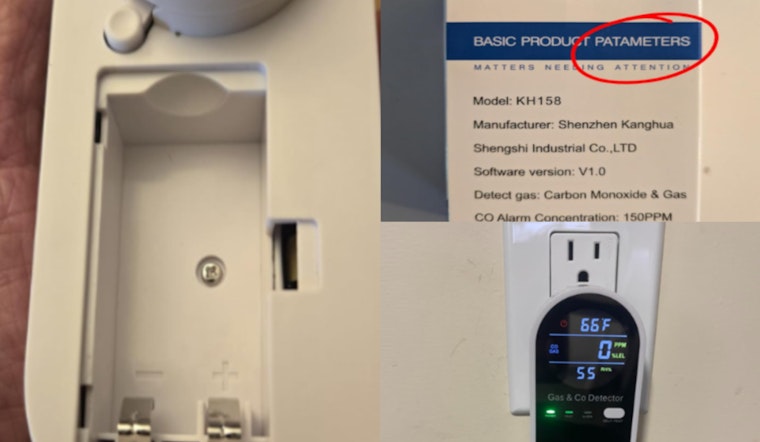
Consumer Reports is sounding the alarm in a very literal way, linking a plug-in carbon monoxide detector sold on major online marketplaces to multiple hospitalizations, including children. The watchdog says some bargain-priced, third-party models can fail to warn households about dangerous carbon monoxide levels, the kind you cannot see or smell but that doctors say can be deadly. The findings have already led to listings being pulled and fresh calls for tougher oversight of devices that are supposed to save lives, not send people to the hospital.
In its investigation, Consumer Reports tied four hospitalizations in about a month to a Hembisen model KH-158 carbon monoxide and gas detector, reporting that the unit "failed to alarm" even when residents were experiencing classic symptoms of CO exposure. The group also pointed to sloppy packaging, spelling errors and one-star reviews that described alarms staying silent at worrisome concentrations. According to Consumer Reports, product listings for the detector were removed from some marketplaces while safety reports are under review.
Those incidents are detailed in the federal SaferProducts.gov database, where public filings describe alarms that "did not activate" during events that ended with family members in emergency rooms. One report links a 60-year-old person's hospitalization to a unit that allegedly stayed silent. Multiple entries list the model as Hembisen KH-158 and describe dizziness, shortness of breath and headaches after prolonged exposure. You can read one of the public reports at SaferProducts.gov.
Amazon told reporters the products were pulled from its site "while we investigate the safety signals in question," according to CBS Pittsburgh. Consumer Reports says it alerted both Amazon and the U.S. Consumer Product Safety Commission and urged the agency to consider a recall or other corrective action. Even with the listings down, consumer advocates warn that lookalike or identical units can still surface through third-party sellers.
Regulatory Backdrop: Recalls And The CPSC
Federal regulators have clashed with Amazon over unsafe carbon monoxide alarms and other hazardous products before. In 2021 the U.S. Consumer Product Safety Commission filed an administrative complaint against the company over dangerous items sold on its platform and later moved to hold Amazon responsible for certain recalls and fixes, as outlined by the CPSC. That history is part of why Consumer Reports is now asking the CPSC to investigate the KH-158 detector and to notify people who may have purchased it. Critics say the agency's past actions show why large marketplaces need to do more to keep untested life-safety products out of homes in the first place.
Why Experts Say Marketplaces Matter
Safety specialists stress that this problem is bigger than a single model number. It is about how third-party sellers and some marketplaces screen, or fail to screen, critical safety devices. "People rely on CO detectors for their life-saving capabilities," said Gabe Knight, a senior safety policy analyst at Consumer Reports, arguing that online platforms need to "do a lot more" to keep dangerous gear away from shoppers, according to Consumer Reports. The group also notes that some newer alarms advertise low-level readings that fall outside the voluntary UL 2034 standard, which can make it harder for buyers to know what they are really getting.
How To Check Your Detector
Before you rush to swap out devices, look for a UL or ETL listing mark on both the alarm and the box. That stamp means the model was tested to recognized standards and met performance requirements. The CPSC advises installing carbon monoxide detectors on every level of the home and outside all sleeping areas, testing alarms often and replacing them as the manufacturer recommends. For official guidance, see the agency's recommendations through SaferProducts.gov. If you suspect an alarm failed to warn your household, officials say you should file a report on SaferProducts.gov and contact your local fire department or call 911 if anyone has symptoms.
Consumer Reports urges people to replace questionable, unmarked detectors with certified alarms from established brands and has called on Amazon and federal regulators to proactively notify customers who bought the affected listings. For now, experts say the safest move is to verify that your detector is certified, test it regularly and treat unexplained headaches, dizziness or nausea as possible signs of CO exposure. Public incident reports and the related agency filings remain available for anyone who wants to review the original complaints in full.



