

























































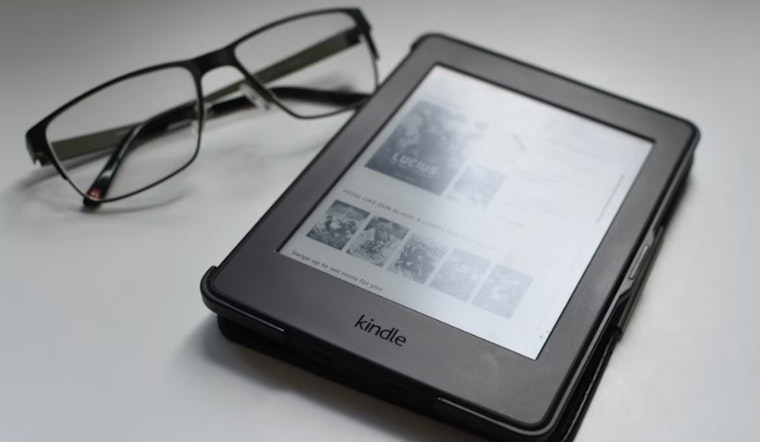
For thousands of longtime Kindle owners, the page is about to turn a lot more abruptly than they expected. Amazon is cutting off Kindle Store access for a batch of older Kindles and Fire tablets, which means those gadgets will not be able to buy, borrow or download new books after May 20, 2026. Many readers say their decade-old e-readers still work just fine, and the move has left plenty of people wondering what it really means for their carefully curated digital shelves.
In an email to customers, Amazon said the change applies to Kindle and Kindle Fire devices released in 2012 or earlier. Starting May 20, those models "will no longer be able to purchase, borrow, or download new content via the Kindle Store." The company told reporters it has been supporting some of these devices for 14 to 18 years and plans to offer promotions to help owners move to newer hardware, a detail confirmed by TechCrunch.
Which Kindles Are Affected
The cutoff hits many of the early workhorses of Amazon's e-reading empire, from the original slab-style Kindles to the first Paperwhite and early Fire tablets. Reported affected devices include the Kindle 1st and 2nd generation, Kindle DX and DX Graphite, Kindle Keyboard, Kindle 4, Kindle Touch, Kindle 5, Kindle Paperwhite (1st gen) and multiple Kindle Fire models from 2011-2012. For a full list and model-by-model breakdown, see Tom's Guide.
What Stops Working
After May 20, affected devices will still show any books that are already downloaded, so your current on-device library will not vanish. What disappears is the pipeline. These Kindles and Fire tablets will no longer be able to purchase, borrow or download new titles from the Kindle Store.
Amazon's notice also comes with a big red-flag warning: if you deregister or factory-reset one of the impacted devices, you will not be able to re-register it afterward. That could permanently cut it off from your Amazon account and prevent it from accessing any Kindle Store content tied to that login. The company email further indicates that "Send to Kindle" options and library apps that deliver books through Amazon may also stop working on these older devices, according to NBC10 Philadelphia.
Online, the reaction has been quick and loud. Authors and longtime Kindle fans are posting that their devices "still work fine" and accusing Amazon of pushing forced obsolescence. As NBC10 Philadelphia documented, a wave of tweets and forum posts from readers and writers has driven the story into national coverage and spawned how-to threads on Reddit and e-reader forums. For many users, the big concern is hanging on to a familiar, low-eye-strain reading experience, not upgrading to fancier screens and features.
What To Do If You Own One
If you have a pre-2013 Kindle, the first rule is simple: do not deregister or factory-reset it before May 20. You will also want to make sure that any titles you care about are already downloaded to the device while it can still talk to the Kindle Store.
Amazon says your account and full Kindle Library will remain available through its free Kindle mobile apps and Kindle for Web, so you will still be able to read on phones, tablets and browsers. The company is offering promotions for affected customers, described as roughly a 20% discount on select new Kindles plus a small e-book credit for qualifying buyers, according to Tom's Guide.
More technically inclined readers can explore sideloading files with tools like Calibre or switching to other e-ink readers, though both paths require extra setup and careful attention to digital rights management restrictions.
Why It Matters
Amazon is framing the decision as necessary upkeep on aging infrastructure. Many of the affected Kindles rely on older delivery systems and firmware that the company says it can no longer reasonably support. Critics counter that whatever the engineering explanation, the real-world effect is that working hardware will lose a direct line to content people paid for.
Ccoverage from outlets such as WIRED places the move squarely in the ongoing debate over planned obsolescence, what it really means to "own" digital media and how many still-usable gadgets wind up as electronic waste when software support dries up.





