

























































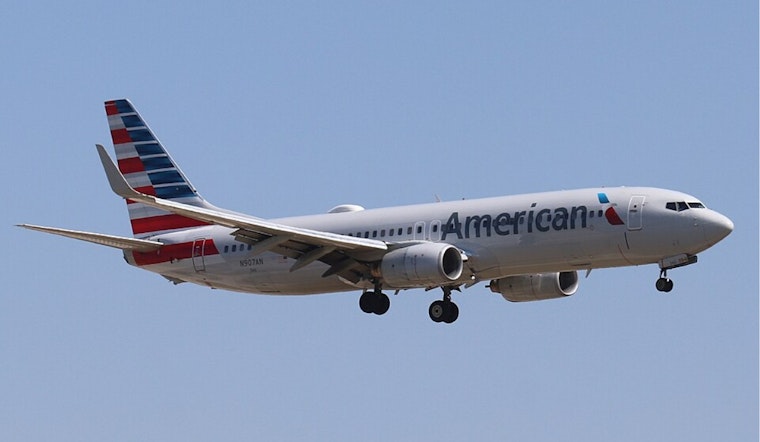
American Airlines is shaking up how it schedules flights at Dallas-Fort Worth International Airport, shifting from nine large “banks” of flights to 13 smaller groupings in a bet that a less jam-packed schedule will mean a less jam-packed airport. The carrier says it is not cutting flights or shortening its operating day at DFW, but instead spreading passenger and aircraft traffic more evenly to smooth out the extreme peaks that have clogged toll booths, parking garages and security lines. The new layout rolls out this spring alongside other airport investments meant to improve reliability and keep people moving.
Speaking with The Dallas Morning News, American’s chief operating officer, David Seymour, called DFW “our flagship hub” and said the rebanking is meant to flatten the worst rushes so late arrivals do not snowball into broader disruptions. Seymour said customers who do not fly often likely “won’t notice” the behind-the-scenes shift, while regular travelers should spot more convenient connection options.
How the Bank Change Works
Under the new structure, American says arrivals and departures will be spread into smaller, more frequent pulses instead of the nine heavy waves the hub has used for years. The rebanking started showing up in published schedules on Dec. 27 and officially launches in April. As detailed by American Airlines, the change is built around managing roughly 100,000 peak daily customers and more than 930 average peak daily departures at DFW. The airline also says it has padded scheduled “block time” on flights into and out of the airport to help with on-time performance and baggage connections.
Terminal and Traffic Investments
The schedule overhaul comes paired with a set of airside and landside moves meant to cut friction everywhere from remote deplaning and baggage handling to security processing. The Dallas Morning News reports that these operational tweaks are arriving as American advances a multibillion-dollar project at DFW, including a $4 billion expansion plan for Terminal F and pier extensions to Terminals A and C that will add gates for the carrier. Those changes are intended to ease curbside congestion and improve the flow of passengers into ticketing and security.
What Travelers Will Actually Feel
American says scattering passenger volume across more banks should blunt the worst traffic spikes at curbside and security checkpoints, which in theory means less congestion on International Boulevard, at toll booths and in parking garages and terminal lobbies. As outlined by American Airlines, the carrier is also investing in remote deplaning capability and automated processing tools so the hub can bounce back more quickly from weather or other disruptions. The airline is framing the effort as a way to keep the same breadth of service while making that service more reliable.
Timing and What to Watch
Union scheduling notes and internal briefs indicate the shift to the 13-bank layout began in early April, with some operational days flipping on or around April 7, so travelers may notice tweaked connection times as the new pattern settles in. According to the Association of Professional Flight Attendants’ base brief, the full effect will not be clear until the hub has operated for a full month under the new structure, which means flyers should double-check itineraries and give themselves extra time for tight connections in the early weeks. Airlines’ and the airport’s operations pages remain the best bets for day-of-travel updates while the new schedule rhythm beds in.
For travelers, the expected payoff is more convenient departure options and fewer rush hour on steroids moments inside the terminals. For American Airlines, the redesign is about making DFW more resilient and easier to run when weather or other trouble rolls through. Keep an eye on airline alerts and airport operations updates as the new hub cadence locks in this spring.




_arriving_at_DFW.jpg)