

























































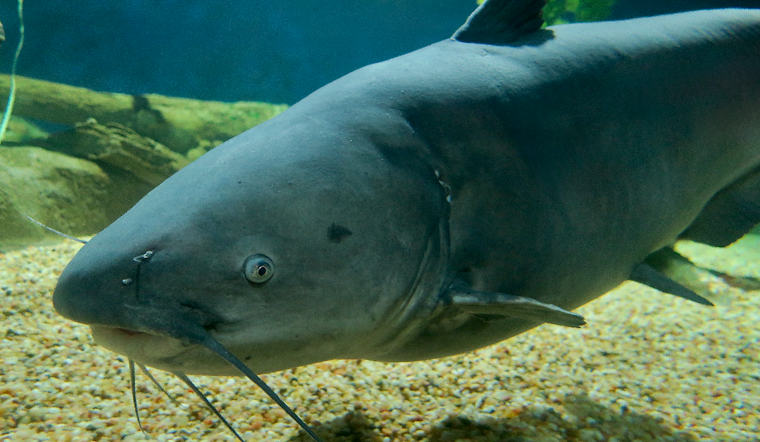
In a bid to knock back one of the Chesapeake Bay's hungriest invaders, Maryland lawmakers in Annapolis this week signed off on an emergency plan that lets licensed watermen use small-mesh gill nets to target blue catfish.
As reported by the Maryland Daily Record, the Senate and House approved the emergency bill on Wednesday and sent it to Gov. Wes Moore for his consideration. After conservation groups raised alarms in committee hearings, lawmakers amended the measure so that only licensed watermen can take part in the gill-net pilot. Joseph Love of the Maryland Department of Natural Resources said the change is intended to protect "species of conservation value" such as American shad and river herring, while Chesapeake Bay Foundation Maryland director Allison Colden warned that lost gill nets could turn into "ghost gear" that keeps fishing long after watermen have gone home.
What the bill does
According to the Maryland General Assembly, the measure formally adds a Blue Catfish Gill Net Program to the existing Invasive Blue Catfish Pilot Program and keeps the overall pilot running through June 30, 2030. The law authorizes licensed harvesters to use gill nets with mesh no larger than 7 inches, allows the department to consider electrofishing and trotlines up to 2,400 feet, and directs DNR to expand any practices that prove effective during the pilot. Written as an emergency act, it would take effect as soon as it is enacted.
How DNR says the pilot will work
The Maryland Department of Natural Resources has been testing ways to boost commercial removals of blue catfish while collecting better harvest data, aiming to turn the invader into a marketable product and shrink its overall biomass. As outlined by the Maryland Department of Natural Resources, the agency has already tried for-hire and commercial pilots, along with trotline gear, and is tracking bycatch and potential conflicts between different Bay users. Blue catfish can top 100 pounds and feed on crabs, mussels, and forage species that help hold the Bay's food web together.
Why some conservationists remain wary
Conservation groups argue that gill nets, particularly small-mesh gear used by people who are not familiar with it, can scoop up large numbers of non-target species and cause trouble if nets are lost and become ghost gear. They urged lawmakers to move carefully, pressing for strict limits, training, and close monitoring before any wider rollout of gill-net fishing for blue catfish. Legislators say their decision to confine the pilot to licensed watermen was a direct response to those warnings.
Next steps in Annapolis
The bill now sits on Gov. Wes Moore's desk. If he signs it, the expanded pilot authorities kick in immediately under the act's emergency language. The statute also requires DNR to report every year to the Senate Committee on Education, Energy, and the Environment and the House Environment and Transportation Committee on what the pilot is finding in terms of harvest, bycatch, and gear performance, giving lawmakers a steady stream of data to work with before they consider any broader regulatory changes.
The move is part of a broader strategy, from state pilot projects to federal processing investments, to turn one of the Bay's most troublesome invaders into a full-fledged fishery. DNR and its partners say growing markets for blue catfish, paired with tighter, closely watched gear rules, can help both watermen and the Bay at the same time. The department has encouraged harvest and consumption of blue catfish as a practical control tool, according to the Maryland Department of Natural Resources.





