

























































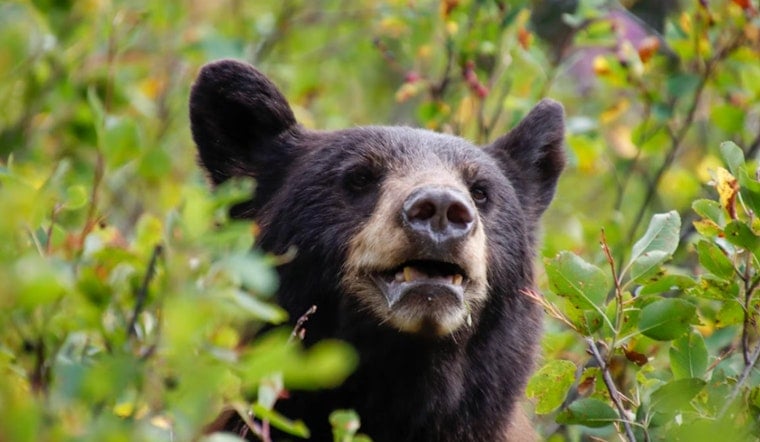
Black bears are edging closer to the Triangle, slipping into yards, parks and the tree line behind neighborhood cul-de-sacs as North Carolina’s black bear population continues to rebound. Residents in and around Raleigh and Durham have logged a string of recent sightings, stoking group-text buzz and some uneasy side-eye at the woods. Biologists say these encounters typically track with normal seasonal movement and long-term population growth, not a sudden spike in aggressive behavior.
Video catches bears strolling past cul-de-sacs
A WRAL video recently captured bears wandering near suburban streets and wooded lots, and WRAL reporter Eric Miller walked viewers through the basic precautions homeowners should know. As reported by WRAL, officials are urging people to keep their distance, avoid feeding bears in any way and report sightings so wildlife staff can track where the animals are turning up. The station’s footage and coverage underscore that most encounters involve bears foraging or passing through rather than settling into a neighborhood.
Recovering population and springtime wanderings
Long-term monitoring links the recent uptick to a decades-long recovery of the species. Population reconstruction in the N.C. Wildlife Resources Commission’s annual bear report estimates the statewide black bear population at roughly 17,200 to 19,200 animals for 2020, and the commission notes that growth rates differ by management unit. That rebound, combined with spring mating and foraging behavior, sends more transient bears into the Piedmont and, every so often, into suburban neighborhoods.
Triangle bear visits are nothing new
Black bears turning up in Triangle neighborhoods is not a brand-new phenomenon, although the latest sightings are getting more attention as development slices up habitat and bears disperse. As WUNC reported, many local encounters involve younger bears that are dispersing or animals traveling natural corridors that link coastal and mountain habitats. Properties with unsecured garbage, outdoor grills or birdfeeders left stocked are especially likely to draw a curious bear off its usual route.
Simple steps to keep bears out of your yard
State wildlife officials and the BearWise program recommend a few straightforward moves to cut down on conflicts: secure trash in bear-resistant carts, take down bird feeders while bears are active, bring pet food indoors and clean grills after use. The N.C. Wildlife Resources Commission repeated those tips in a March guidance release and directs residents to BearWise resources for neighborhood plans and certification. If a bear appears aggressive or injures a pet or person, officials say to contact local law enforcement and the NCWRC helpline at 866-318-2401.



