

























































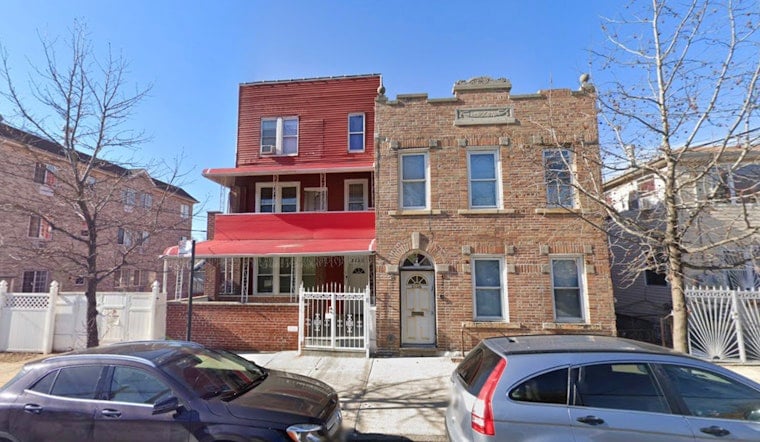
For nearly a week, Jeremiah Small says brown, foul-smelling water has been pooling through his Baychester apartment while piles of dead roaches collect under the kitchen sink. The 28-year-old father of four says the situation has gotten so bad that his family stopped using the bathroom two years ago and was ultimately forced to move out. His kids, he says, wake up every day worried a cockroach will crawl out of the bathroom vent.
As reported by News 12, Small displayed notices showing the building failed inspections for structural issues and roach infestations dating back to last year. He described puddles of brown water that he believes contained feces, saying the repeated leaks and sewage overflows left the unit unlivable and pushed his family to stay with relatives and in hotels. In a statement to the station, the Department of Housing Preservation and Development said it has received complaints about 3135 Seymour Avenue and will inspect and issue violations where necessary. According to the station, a voicemail was left for the landlord after attempts to reach them.
Building background
Property listings describe 3135 Seymour Ave as a low-rise, multiunit residence in Baychester. According to Compass, the building is an early-20th-century multiunit structure, and public sales records show it has changed hands in recent years.
Health risks of pests and sewage
Health experts say cockroach infestations and raw sewage are not just gross; they can be dangerous. Cockroach allergens are strongly linked to childhood asthma and allergic sensitization, and contact with water contaminated by feces can expose people to bacteria and viruses tied to gastrointestinal and respiratory illness.
One study of early-life cockroach allergen exposure found higher rates of sensitization and asthma in children who were exposed at home (National Institutes of Health). Separately, public-health research summarized by the agency highlights disease risks from sewage-contaminated water, including infections that can spread through drinking or skin contact (CDC).
What tenants can do
Tenants dealing with unsafe conditions like leaks, sewage or infestations can file a complaint with HPD or call 311 to request an inspection. HPD's tenant guide explains how that process works and lists resources available to renters (HPD).
If violations are not fixed, tenants may seek remedies in Housing Court or contact free legal-aid services for help pursuing repair petitions, rent abatements or other relief (Legal Aid).
Legal note
Housing-code violations can lead to fines, court-ordered repairs and rent abatements. State law also protects renters from landlord harassment meant to push them out of a unit. The New York attorney general provides guidance on what legally counts as tenant harassment and how renters can respond (N.Y. AG), and local legal-aid groups can help tenants navigate court filings and emergency requests.
Small says his family is still displaced while HPD schedules inspections, and he is hoping action comes before anyone gets sick. According to the agency's statement, inspectors will visit 3135 Seymour Ave as complaints are processed, and the landlord had not returned the station's call at the time of reporting.


