

























































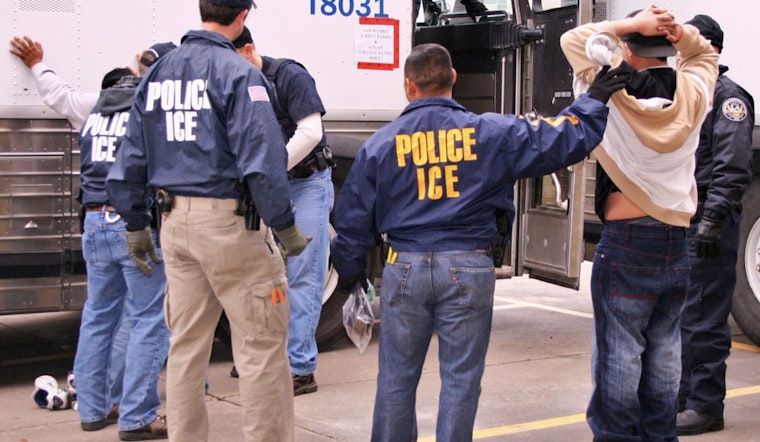
Kamal Morales, a counselor at a South Bronx community clinic, thought he was headed to a standard immigration appointment in Manhattan. Instead, the 40-year-old, who worked with people living with HIV at Community Healthcare Network’s South Bronx site and lived in Jamaica, Queens, was detained and eventually deported to Venezuela. Colleagues and patients say his sudden removal has blown a hole in local HIV care and pushed them to launch a fundraiser to cover mounting legal bills.
How He Was Detained And Deported
According to The Bronx Times, Morales showed up at 26 Federal Plaza on March 2 for a scheduled check-in and was immediately taken into ICE custody. The outlet reports he was then moved through a string of detention centers in New Jersey, Louisiana, Texas, Arizona and Miami before landing in Caracas on April 1.
Court Order And The Family's Claim
United States District Judge Michael J. McShane, in documents shared with the couple, wrote that the government was “unable to effect his removal” and ordered Morales released on March 30, the couple says. The judge gave the government until April 7 to show cause, according to The Bronx Times. The family alleges Morales was deported before the administration responded to that court order, a timeline that now sits at the center of their push for legal review.
Detention Conditions And Fundraiser
Morales told the paper he was kept cuffed, had limited access to food and bathrooms, and spent days without a PIN to make phone calls while being shuttled between facilities. His husband, Miguel Garcia, launched a fundraiser on Spotfund that had brought in more than $10,500 for legal costs as of early April. In a later update, the organizer told donors that while those contributions covered the legal fees to that point, Morales had already been deported.
Why This Case Is Hitting A Nerve
Immigrant-rights groups and defense lawyers say arrests during routine check-ins and court appearances are increasingly common and have fueled fear about attending required appointments, a pattern documented in other Bronx cases by The City. The only-sometimes-stable status of Temporary Protected Status for Venezuelans has also left many people’s protections in flux, a legal and policy fight that has shown up in national reporting and court filings, including coverage in TIME.
Legal Road Ahead
Because Morales is married to a U.S. citizen, his husband can file a family petition on his behalf. But an I-130 or similar filing does not automatically stop a removal, and couples often need lawyers to challenge transfers or file habeas petitions. USCIS outlines those family-petition and adjustment options on its guidance pages, and the family says it is currently searching for attorneys to pursue them. The couple has said the fundraiser helped cover initial legal fees, but that bringing Morales back will require more extensive legal work.
Clinic staff say his absence is acutely felt by patients and coworkers who depended on his outreach and counseling. For now, Morales remains in Caracas while his husband and local advocates keep looking for a path to reunite him with their Queens home and the South Bronx clinic he spent years serving.





